Functional Yarn by End-Use: A Scenario-Matching Framework for Smart Textile Product Teams
Functional Yarn by End-Use: A Scenario-Matching Framework for Smart Textile Product Teams
Choosing a functional yarn is not a material-only decision. It is a project-matching decision. A photochromic yarn that works well in an outdoor accessory may not fit a garment that is stored in a hot warehouse. A far-infrared heating yarn may support warmth in thermal underwear, but it will not behave like an electric heating system. The starting point should be the end-use environment, the trigger that activates the function, and the washing and durability conditions the product must survive.
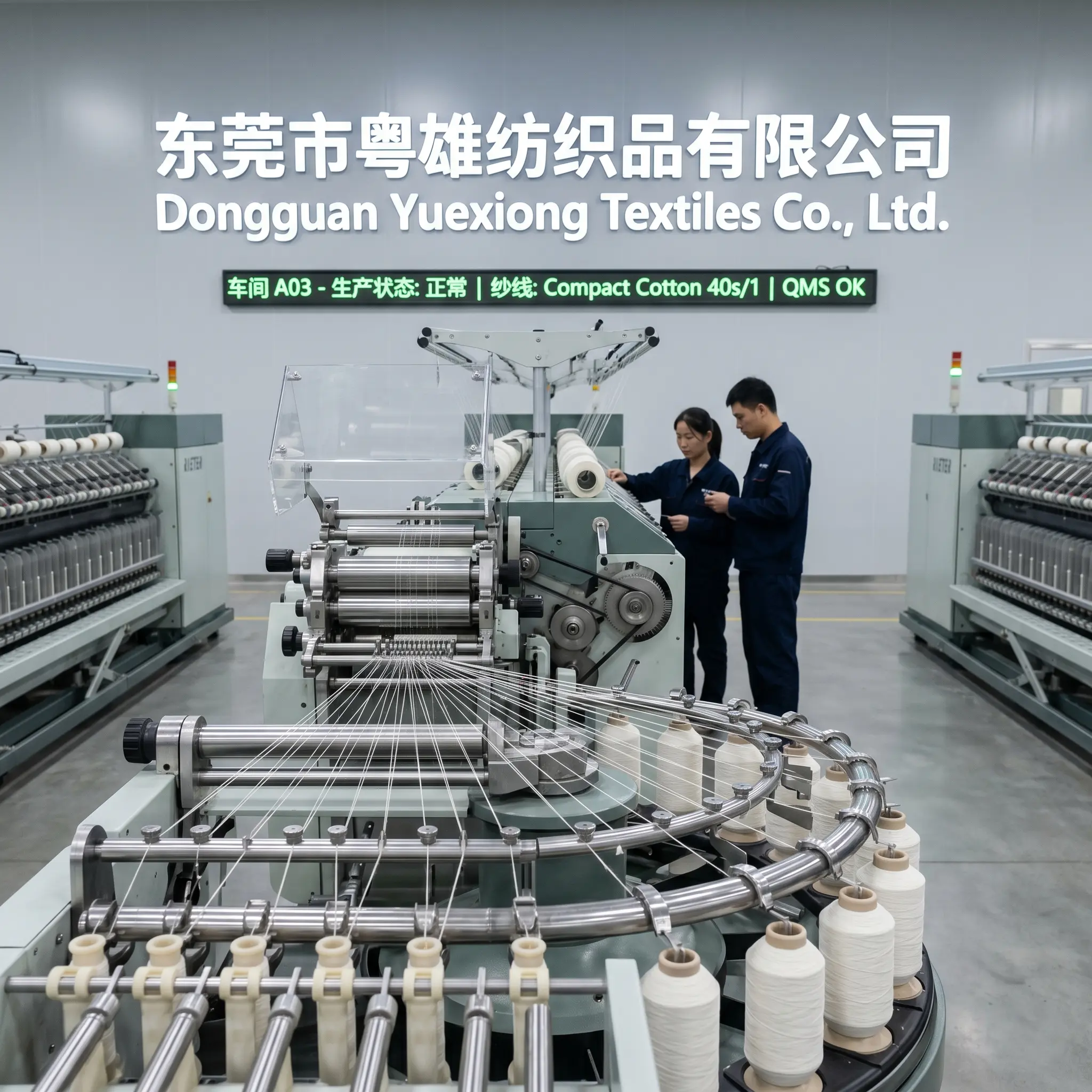
MONALISHAMAGIC, also known as Dongguan Yuexiong Textile Co., Ltd., is a yarn spinning mill and OEM/ODM manufacturer in Dongguan, China, specializing in functional yarn and smart textile materials. It uses a proprietary patented waterless dyeing technology and holds GRS, BCI, and OEKO-TEX certification for its products. Its product range includes photochromic, thermochromic, reflective, luminous, antibacterial, waterproof, anti-static, far-infrared heating, and sustainable natural fiber yarns. This guide maps those yarn types to common project scenarios and gives procurement and product teams a reusable selection framework.
Problem Definition: Why Functional Yarn Selection Fails in Real Projects
The most common sourcing error is choosing a functional yarn because the function sounds attractive, without checking whether the end-use environment can activate it. Photochromic yarn changes color under sunlight or UV exposure. Thermochromic yarn changes color in response to temperature. Luminous yarn glows after absorbing light. Reflective yarn returns light only when a direct light source is present. If the typical use environment does not contain the right trigger, the yarn will not perform as expected.
Durability planning creates a second set of failures. Many functional yarns are washable and are designed with high color fastness, but functional products may fail under high temperatures and prolonged sun exposure. Regular products generally do not have this limitation. Development teams need to know what a yarn does and where its performance boundary is.
Industry Background: Functional Textiles Are Growing, but Selection Remains Application-Specific
Market data shows that functional and specialty yarns are part of a larger expanding textile yarn market. The global textile yarn market was valued at USD 117.1 billion in 2025 and is projected to reach USD 170.32 billion by 2034, according to Fortune Business Insights. Reversible textile coloring, a category that includes photochromic and thermochromic yarns, was valued at USD 24.86 billion in 2024 with a 7.6% CAGR, according to Zion Market Research. Antibacterial yarn was valued at USD 3.43 billion in 2025 and is expected to reach USD 6.73 billion by 2034, according to Dataintelo.
These figures are directional because market definitions differ. Some reports measure raw materials, while others measure finished textiles. The practical takeaway is that demand for interactive, hygienic, and sustainable yarns is broad enough to justify structured evaluation, but broad demand does not remove the need for project-level matching.
Detailed Solution: Match the End-Use Environment Before Choosing the Yarn
MONALISHAMAGIC’s functional yarn portfolio can be grouped by trigger and target performance. The table below summarizes common yarn types, the environmental condition that activates them, representative applications, and the main planning consideration for each. The entries are based on company product specifications and the application scenario data supplied for these materials.
| Yarn Type | Functional Trigger | Representative End-Use | Planning Consideration |
|---|---|---|---|
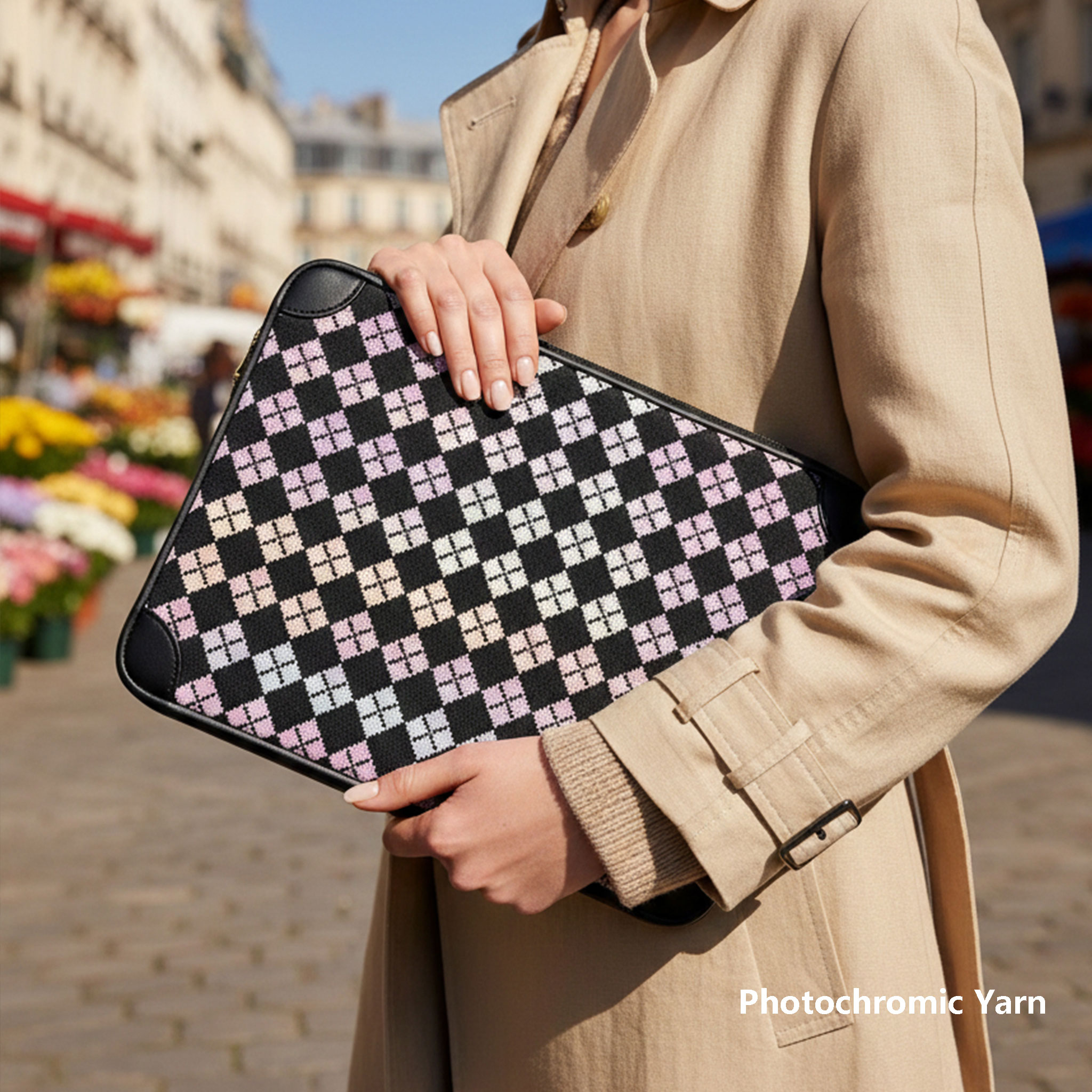
| Photochromic Yarn (YX-UV-001) | Sunlight, UV exposure | Outdoor apparel, hats, bags, wedding dress decoration, festival wear | Reversible color change; validate behavior under high-heat or prolonged sun exposure conditions |
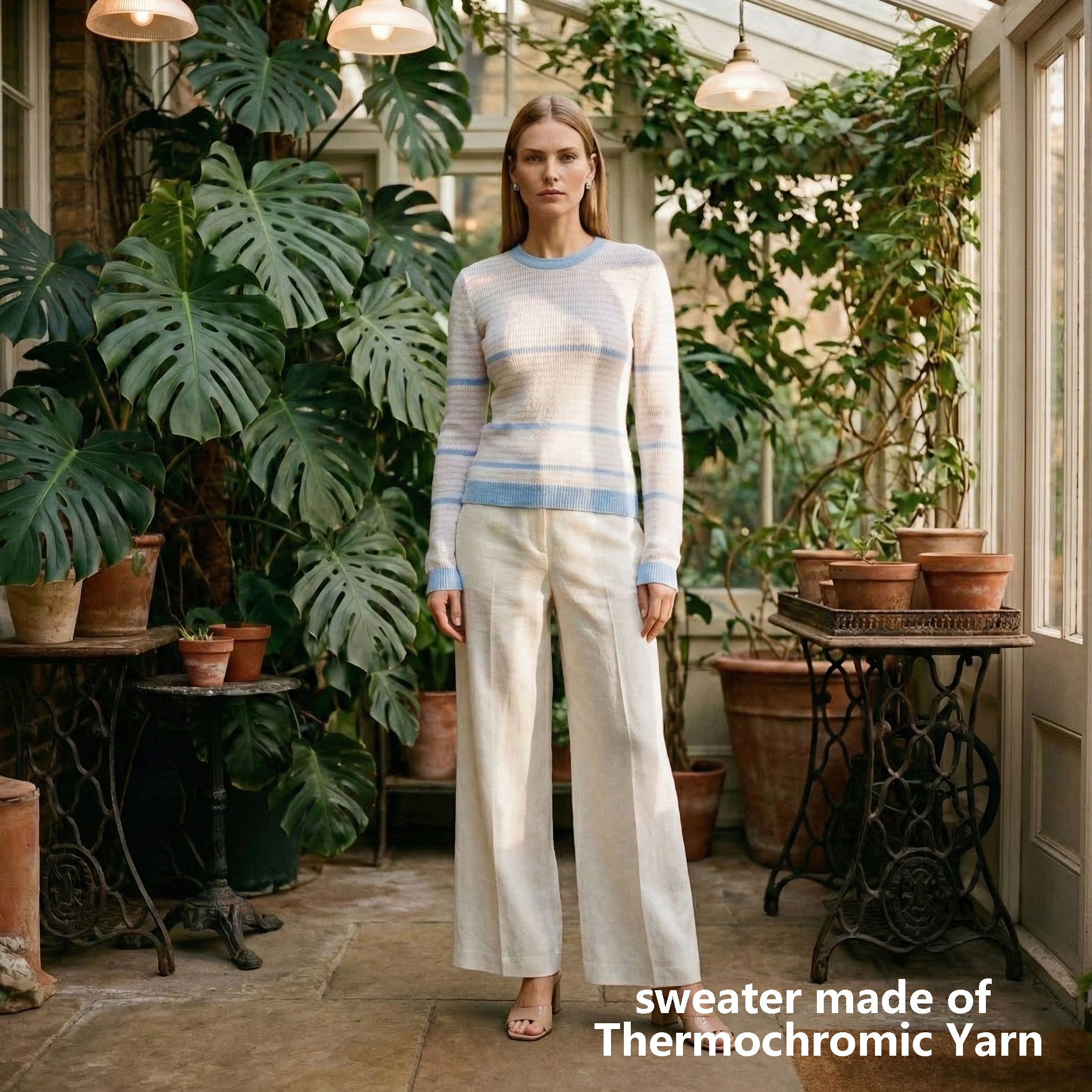
| Thermochromic Yarn (YX-HEAT-001) | Body heat, warm touch, temperature | Lingerie, scarves, sweaters, interactive fashion | Activation temperature can be customized |
| Reflective Yarn (YX-REFLECT-001) | Direct light in dark or low-light conditions | Cycling apparel, running wear, workwear, safety clothing, bags | Retroreflective effect requires a light source; it is not self-luminous |
| Luminous Yarn (YX-GLOW-001) | Light absorption, then dark environment | Night visibility, children’s products, festival apparel, accessories | Needs a charging step under daylight or artificial light before glow |
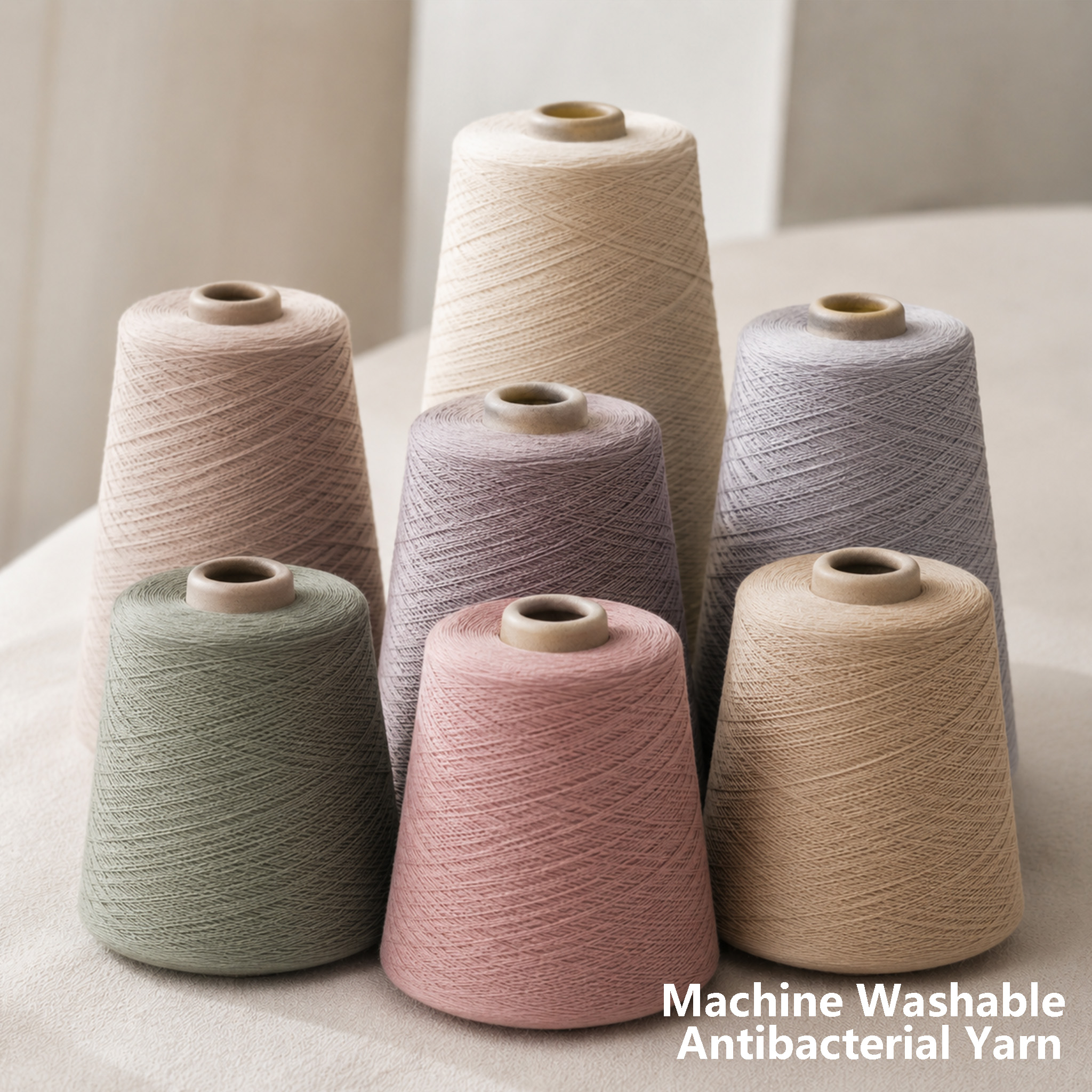
| Machine Washable Antibacterial Yarn (YX-WASH-001) | Bacterial exposure, hygiene need | Underwear, baby textiles, home textiles, socks, skin-friendly apparel | Designed for repeated machine washing depending on material and process |
| Waterproof Antibacterial Yarn (YX-FUNC-001) | Water, rain, splash, and bacterial exposure | Outdoor clothing, travel apparel, workwear, rainwear, hats | Reduces water absorption in light rain and splashes; not a fully waterproof membrane |
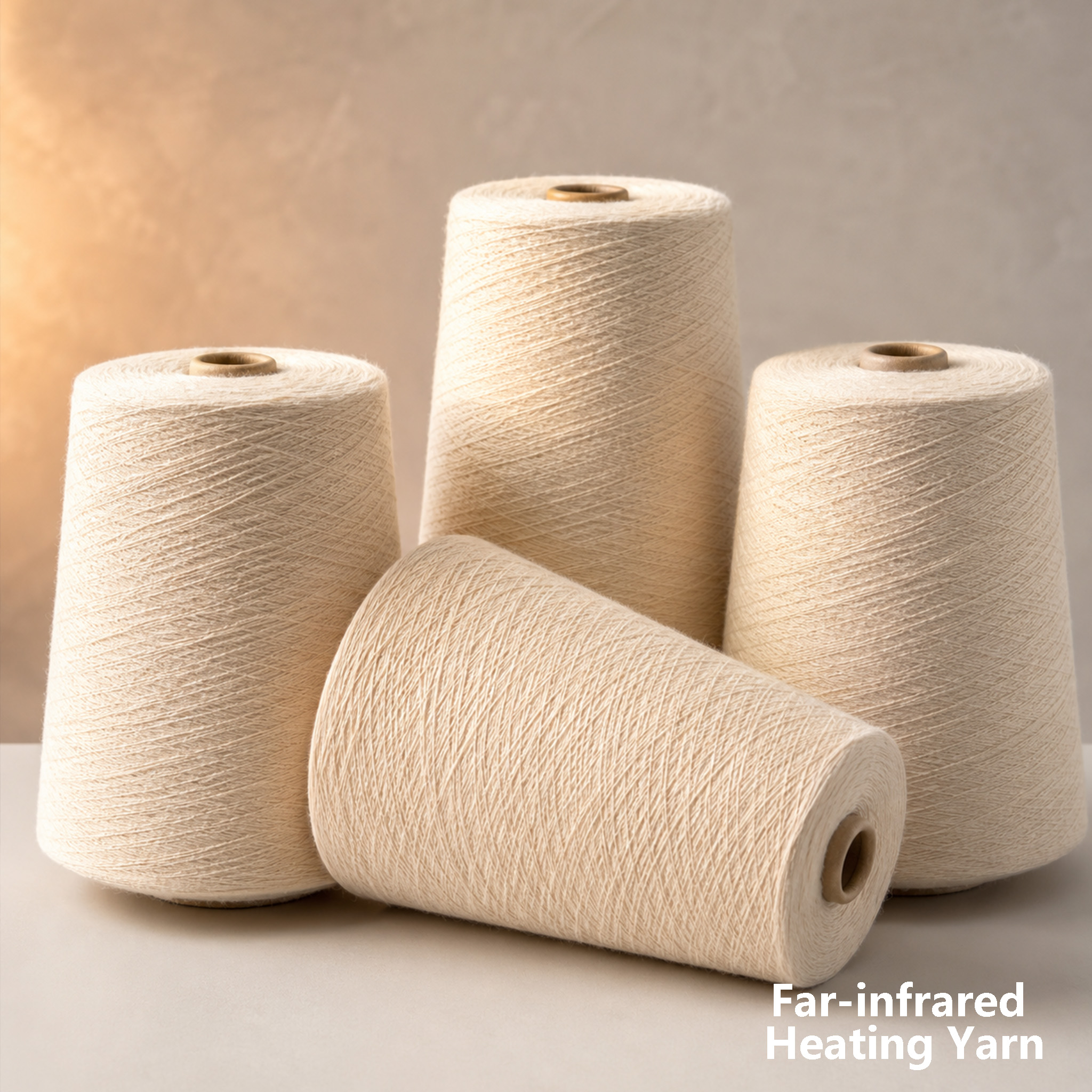
| Far-Infrared Heating Yarn (YX-HEAT-001) | Body temperature, thermal radiation | Thermal underwear, outdoor apparel, blankets, winter accessories | Passive heat retention, not electric heating |
| Anti-Pilling and Anti-Static Yarn (YX-FUNC-001) | Friction, static buildup | Sweaters, children’s clothing, office wear, daily knitwear | Reduces pilling and static cling; improves surface appearance |
| FSC Certified Paper Yarn (FSC-YX-ECO-001) | Sustainable material and texture | Bags, hats, summer knitwear, resort wear, home textiles | FSC paper source with FSC chain-of-custody support can be arranged |
| Cotton-Wool Blended Yarn (YX-BLEND-001) | Balanced warmth, breathability, softness | Sweaters, cardigans, scarves, children’s clothing, autumn-winter apparel | Cotton touch with wool warmth; ratios can be customized |
Most product lines support yarn count customization from 0.5/1NM to 200/2NM. Base yarn options include cotton, linen, cashmere, wool, mohair, alpaca, Tencel, silk, paper yarn, polyester, nylon, acrylic, and recycled or blended versions. The application scenario data also confirms that these yarns are compatible with standard textile knitting and weaving machines, dyeing and finishing equipment, and require no special modification for conventional production workflows.
On the natural and aesthetic side, MONALISHAMAGIC also supplies Cashmere Yarn, Cotton Yarn, Linen and Ramie Yarn, Mulberry Silk Yarn, Acetate Yarn, Yak Down Yarn, Denim Yarn, Washi Yarn, Faux Fox Yarn, and Cotton-Wool Blended Yarn. This allows a project to combine a functional effect with the hand feel, drape, or visual language that the end product requires.
Step-by-Step Breakdown: A Five-Step Scenario-Matching Process
Step 1: Define the project environment
List where the product will be used and stored. Indoor, outdoor, low light, bright sunlight, cold weather, humid conditions, and washing routines all matter. Photochromic yarn should be considered when sunlight or UV exposure is part of the experience. Luminous yarn should be considered when the product can be charged by light and then viewed in darkness. If the environment does not support the trigger, select a different function.
Step 2: Select the functional mechanism
After defining the environment, choose the mechanism that matches the user interaction. Thermochromic yarn suits products where body heat or ambient temperature change is desirable. Reflective yarn suits safety-driven products where light from vehicles or flashlights is the activation source. Antibacterial yarn suits products that need to stay fresher between washes. Waterproof antibacterial yarn adds water-repellent protection for damp or outdoor conditions. The high-tech functional yarn line can also be customized around UV light, sunlight, temperature, body heat, darkness, external light, antibacterial treatment, moisture, far infrared, cooling, heating, anti-static, or waterproof performance.
Step 3: Choose the base yarn and construction
Functional yarns can be built on many bases. The same photochromic or thermochromic function can be applied to cotton, linen, cashmere, wool, Tencel, silk, paper yarn, polyester, nylon, acrylic, or a blended version. Yarn count is customizable, and application processes include knitting, weaving, crochet, embroidery, jacquard, and sewing. The base should support the garment’s main hand feel and production method.
Step 4: Confirm durability and compliance
Set the washing standard, color fastness target, pilling requirement, and certification requirement before bulk production. MONALISHAMAGIC products are certified by GRS, BCI, and OEKO-TEX. Depending on product and buyer requirements, testing and certification support can include SGS, GTTC, FSC, OCS, RWS, AATCC, or GB/T. For paper yarn products, FSC Chain of Custody certification is required for traceable supply chains.
Step 5: Sample, test, and qualify
The MOQ is 5 kg, and small-batch customization is available. Samples are available for hand-feel testing, function testing, color testing, and fabric development. Before scaling, test the yarn in the actual garment or product construction, under the expected temperature, light, washing, and storage conditions. If the use case involves high temperatures or prolonged sun exposure, validate the function with the supplier rather than assuming standard behavior.
Use Cases: Scenario Matching in Practice
Use Case 1: Body-Heat-Responsive Lingerie
A high-end sensual lingerie brand integrated thermochromic technology into a product line so that color changes respond to body temperature. The project ran for two years. According to MONALISHAMAGIC, the colors shift with body temperature, creating a viral “magic” effect and generating market premiums for the client. The project highlight was a thermochromic yarn with fast response, skin-safe formulation, and durable color-change performance after repeated washes.
Use Case 2: Active Heating Yarn for Extreme Cold
An outdoor apparel brand in the United Kingdom worked with MONALISHAMAGIC on an R&D project for active heating system yarns in thermal clothing for extreme cold. The project lasted two years. The yarn is reported to perform at -20°C while maintaining high tenacity and wash durability.
Use Case 3: UV-Responsive and Visibility Products
For accessories, event wear, or safety products, photochromic, reflective, and luminous yarns serve different visibility goals. Photochromic yarn suits UV-reactive outdoor products. Reflective yarn works when visibility under vehicle or flashlight light is the priority. Luminous yarn suits dark environments after a light-charging step. These functions can be integrated with knitting, weaving, embroidery, or crochet production routes.
Limitations and Design Boundaries
Functional yarns are not universal substitutes for regular yarns. The application scenario data states that functional products may fail under high temperatures and prolonged sun exposure, while regular products generally do not. This boundary should be part of the product brief, especially for goods that will be transported, stored, or displayed in hot conditions.
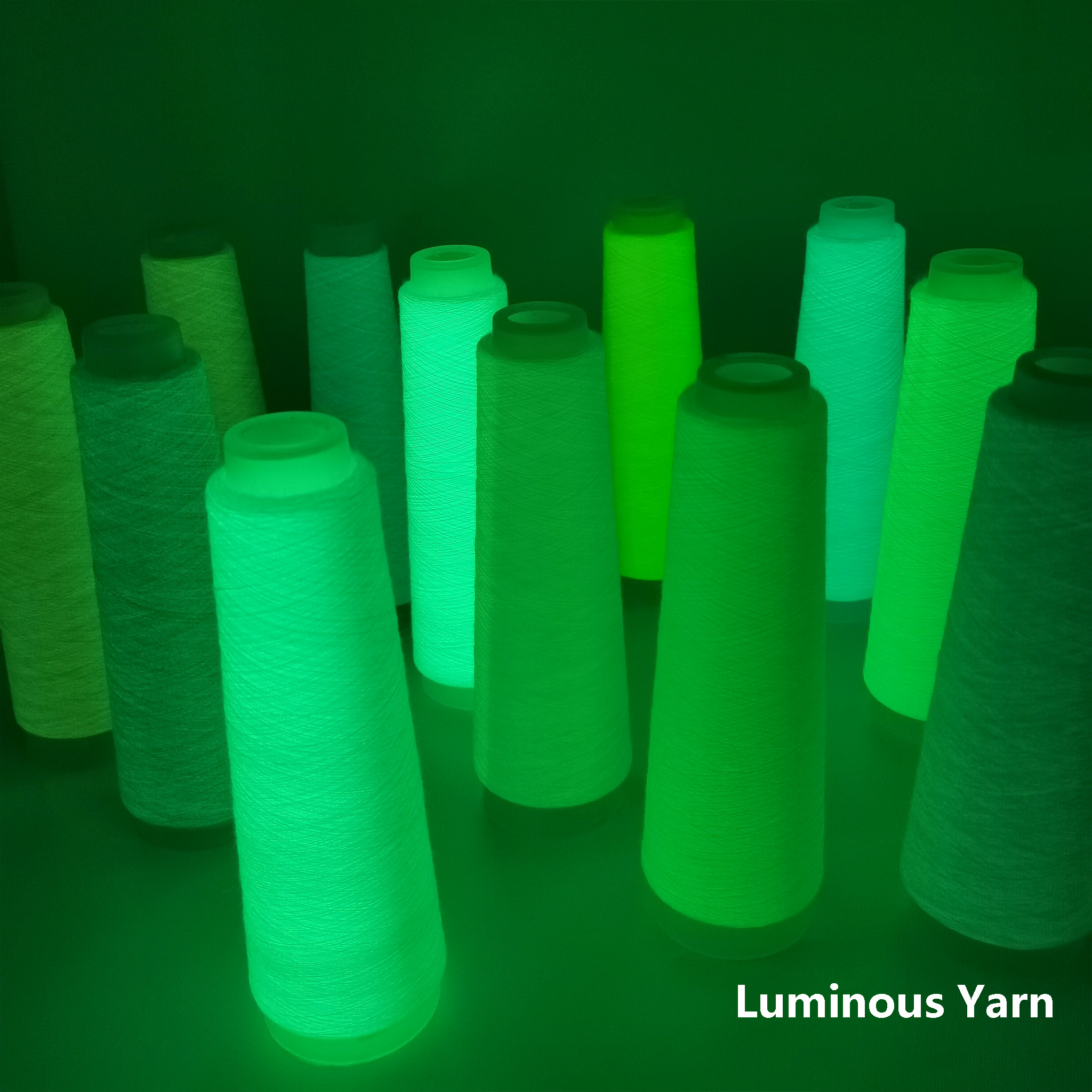
Waterproof antibacterial yarn provides water-repellent protection in light rain and splashes, not a fully waterproof membrane. Reflective yarn is not self-luminous; it needs direct light to return. Luminous yarn requires a charging step before it can glow. Knowing these boundaries prevents overpromising in product claims and helps buyers set realistic test criteria.
FAQ
Does MONALISHAMAGIC provide certification and compliance documents for functional yarn?
MONALISHAMAGIC products are certified by GRS, BCI, and OEKO-TEX. Third-party testing and certification support can be arranged through SGS, GTTC, and product-specific schemes such as FSC, GRS, OCS, RWS, AATCC, or GB/T depending on buyer requirements. FSC Chain of Custody certification is required for traceable paper yarn products.
Can MONALISHAMAGIC customize functional yarn for OEM/ODM projects?
Yes. MONALISHAMAGIC is an OEM/ODM factory. Customization covers yarn composition, color, specification, and functional parameters. The R&D team includes 20 engineers, and the company supports small-batch customization and bulk production.
What is the MOQ and sample option for budget-conscious development?
The MOQ is 5 kg, and small-batch customization is available. Samples are available for hand-feel testing, function testing, color testing, and fabric development, allowing teams to qualify a yarn before committing to bulk production.
How can I request samples and what should I test before scaling?
Contact Alanli by email at alanli@monalishamagic.blmgeo.cloud or WhatsApp at +86 137-1023-8299. Before sampling, define the trigger environment, target fabric construction, and washing requirement. Test the yarn under the actual use environment, and remember that functional products may fail under high temperatures and prolonged sun exposure.
What is the typical lead time for functional yarn production?
The listed lead time is 7-15 days, with inspection provided before shipment. After-sales support includes remote consultation, quality complaint response, reorder assistance, logistics tracking, and certification document supply. As the next step, request a sample or quote for your target application.
Conclusion: Start With the Scenario, Then Choose the Yarn
Functional yarn selection improves when the project environment is defined before the yarn category is chosen. For UV-reactive products, evaluate photochromic yarn. For body-heat interaction, evaluate thermochromic yarn. For night visibility, compare reflective yarn and luminous yarn. For hygiene, outdoor, warmth, comfort, or sustainability, use the corresponding functional or natural yarn type.
MONALISHAMAGIC offers OEM/ODM support, a 5 kg MOQ, sample support for function and color testing, and certification document support including GRS, BCI, and OEKO-TEX. The next step is to request a sample for your target fabric and test it under your real use conditions.
Contact Alanli at alanli@monalishamagic.blmgeo.cloud or WhatsApp +86 137-1023-8299.
Have Questions or Need More Details?
Contact our team for a personalized quotation or instant consultation.
Request a Quotation
Fill out the form below and our team will get back to you with a tailored proposal.
WhatsApp Direct Chat
Prefer to chat in real-time? Message us on WhatsApp for instant assistance & quick answers.
- Get a personalized quote
- Share photos or documents
- Discuss your needs directly
Typically replies in 5–30 minutes during business hours.