Building a Long-Term Functional Yarn Supply Partnership: A Procurement Blueprint for 2026 and Beyond
Building a Long-Term Functional Yarn Supply Partnership: A Procurement Blueprint for 2026 and Beyond
Functional yarn is no longer a niche material for novelty collections. Photochromic yarn, thermochromic yarn, reflective yarn, luminous yarn, far-infrared heating yarn, and machine-washable antibacterial yarn have moved into commercial production for apparel, accessories, outdoor goods, and smart textile programs. For brand owners and buying teams, the strategic question has shifted from “which yarn should we try” to “which yarn partner can support us reliably across multiple seasons, product lines, and quality expectations.” This article provides a practical framework for evaluating and building a long-term functional yarn supply partnership, with a focus on manufacturing capability, commercialization risk, and ongoing execution.
Core answer: A durable functional yarn supply relationship depends on four pillars: proven production capacity, consistent lead times, low-barrier sampling, and the supplier’s ability to convert a novel fiber concept into a repeatable commercial product. Buyers should evaluate manufacturers using these criteria rather than relying on product novelty alone.
Why a Long-Term Functional Yarn Supplier Relationship Matters
Most functional yarns require iterative development. A photochromic yarn that performs well in a lab sample may need several rounds of adjustment for industrial knitting, washing durability, or shade accuracy. The same applies to thermochromic yarns, where activation temperature must match the end-use environment, and to reflective yarns, where reflectivity and softness must be balanced for specific garment types.
When buyer and supplier work together over multiple projects, the supplier accumulates knowledge about the brand’s preferred yarn counts, base fibers, color systems, and tolerance levels. This reduces sampling cycles and lowers the risk of production surprises. A long-term relationship also helps buyers secure stable capacity during peak seasons and access customization options that are difficult to obtain from spot-market trading.
From a sourcing risk perspective, relying on a single pilot order with no follow-up visibility is fragile. If the yarn performs well at retail, the buyer needs a supplier that can scale quickly. If the yarn needs modification, the buyer needs a supplier that can diagnose and solve the problem. Both scenarios favor a manufacturer with a committed partnership model rather than a transactional one.
Understanding the Functional Yarn Landscape
The commercial case for functional yarn is supported by measurable market movement. The global textile yarn market was valued at USD 117.1 billion in 2025 and is projected to reach USD 170.32 billion by 2034 (Fortune Business Insights). Within this broader market, specialty segments are expanding: the global thermochromic materials market was valued at USD 6.2 billion in 2023, growing at a CAGR of 5.2% through 2030 (Grand View Research), and the reversible textile coloring market, which includes photochromic and thermochromic products, was valued at USD 24.86 billion in 2024 with a 7.6% CAGR (Zion Market Research). Antibacterial yarn alone was valued at USD 3.43 billion in 2025 and is expected to reach USD 6.73 billion by 2034 (Dataintelo). These figures support the view that functional yarn is a growth category, not a short-lived experiment.
For procurement teams, the practical implication is that suppliers are increasingly being asked to deliver several different functional effects across a single product portfolio. A brand may need photochromic yarn for a spring collection, reflective yarn for a safety line, and antibacterial yarn for everyday basics. Working with one manufacturer that can cover multiple functions reduces supplier onboarding cost, testing duplication, and communication overhead.
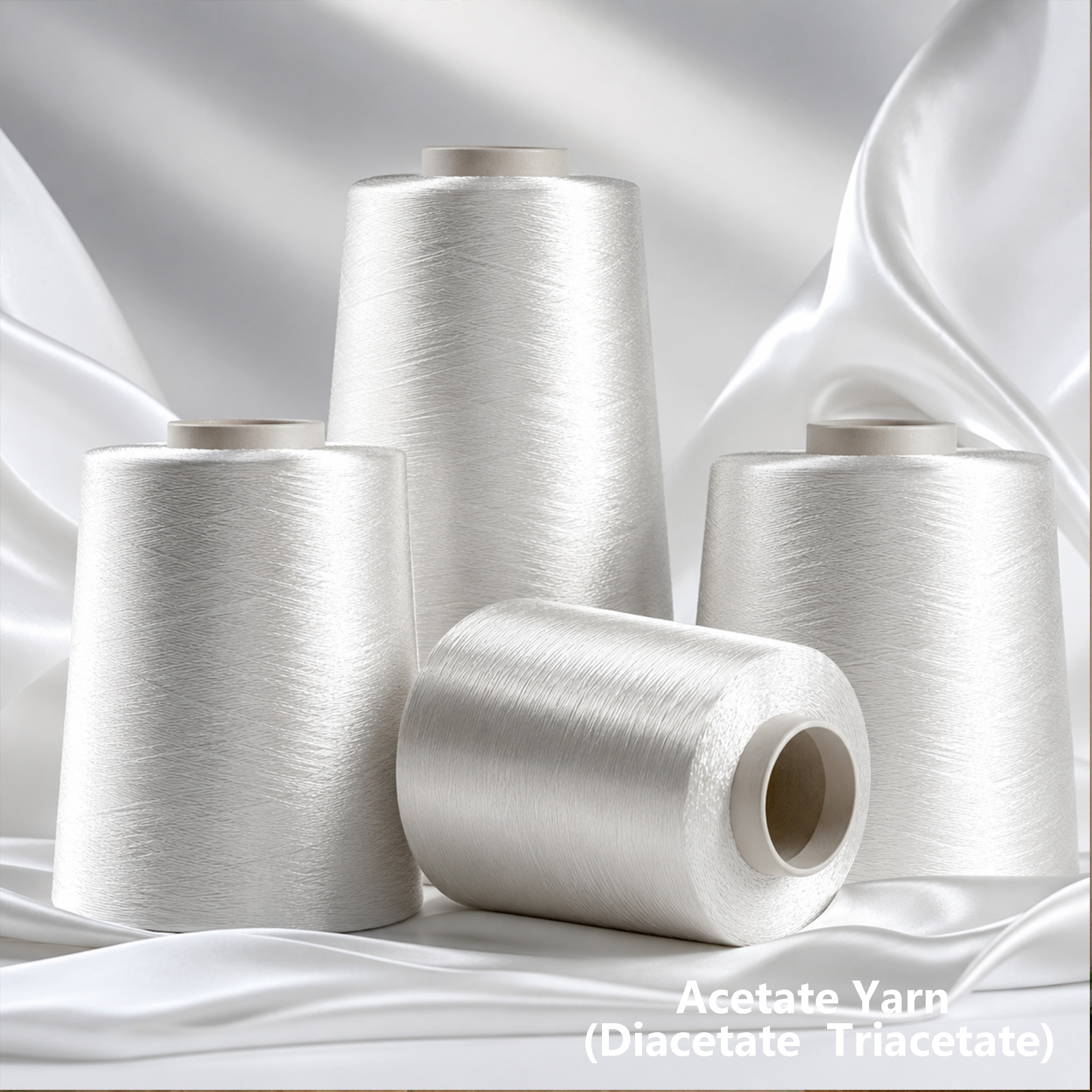
MONALISHAMAGIC, operated by Dongguan Yuexiong Textile Co., Ltd., is an example of a vertically integrated yarn spinning mill that has built its offer around this multi-function reality. The company specializes in functional yarn development and maintains a portfolio that includes photochromic, thermochromic, reflective, luminous, far-infrared heating, machine-washable antibacterial, waterproof antibacterial, and anti-pilling & anti-static yarns, alongside natural and sustainable options such as cashmere yarn, cotton yarn, linen yarn, acetate yarn, mulberry silk, denim yarn, washi paper yarn, FSC certified paper yarn, yak down yarn, faux fox yarn, and cotton-wool blended yarn. This breadth matters because it allows buyers to consolidate sourcing rather than managing separate suppliers for every yarn type.
Evaluating a Functional Yarn Manufacturer: From Capability to Commercial Reality
Purchasing functional yarn is different from buying standard dyed yarn. The buyer is not only purchasing a fiber, but also a performance claim, a quality control process, and a repeatability guarantee. The following criteria should be part of any supplier assessment.
1. Production Capacity and Scale-Up Ability
Capacity determines whether a supplier can support a brand from sampling through bulk production. A supplier with limited production lines may be able to produce impressive samples but fail to meet repeat order volumes. Buyers should ask for concrete numbers: monthly production capacity, number of production lines, and the ratio of functional yarn output to total output.
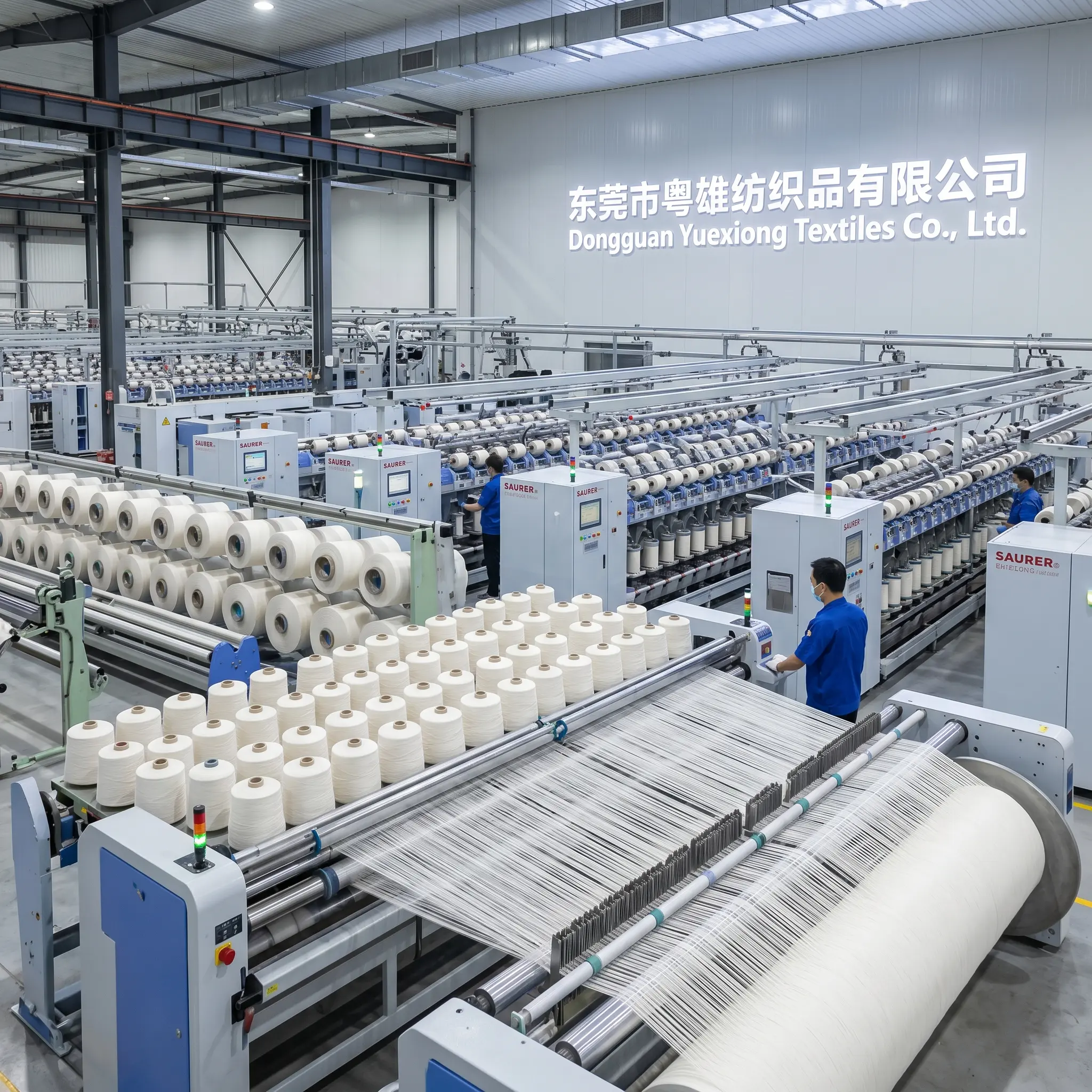
Dongguan Yuexiong Textile Co., Ltd. reports a monthly production capacity of 1,000 tons. For a mid-sized brand planning seasonal collections, this level of capacity provides meaningful headroom for scaling from pilot to commercial volume. It also indicates that the factory has invested in equipment and process control beyond laboratory scale.
2. Lead Time and Delivery Reliability
Functional yarns often require custom color matching, functional additive adjustment, or base fiber selection. These steps can extend lead time compared with standard yarn. A clear and realistic production lead time is therefore a critical commercial parameter.
The typical production lead time at MONALISHAMAGIC is 7–15 days. Within the industry, this is a practical range for functional yarn orders that require customized color or functional adjustment. Buyers should always confirm lead time for their specific product configuration and factor in sea freight or air freight time when planning product launches.
3. Low-Barrier Sampling and MOQ
Sampling is the entry point to any new yarn relationship. A supplier that offers low MOQ and rapid sample support reduces the buyer’s risk during product development. It also makes it feasible to test multiple yarn types before committing to a full collection.
MONALISHAMAGIC’s minimum order quantity is 5 kg. This low MOQ is significant for designers and brand teams because it permits small-batch development, color testing, and wear testing before bulk commitment. Combined with a 7–15 day lead time, it allows a typical sampling cycle to fit within a standard product development calendar.
4. Functional Performance and Customization
Functional yarns are defined by their trigger and response. The following table summarizes the core functional yarn types relevant to smart textile and apparel sourcing, based on MONALISHAMAGIC’s product specifications.
| Yarn Type | Functional Trigger | Typical Performance | Common Applications |
|---|---|---|---|
| Photochromic Yarn | Sunlight or UV exposure | Visible reversible color change; yarn count from 0.5/1NM to 200/2NM | UV-reactive knitwear, outdoor apparel, children’s wear, creative sweaters, accessories |
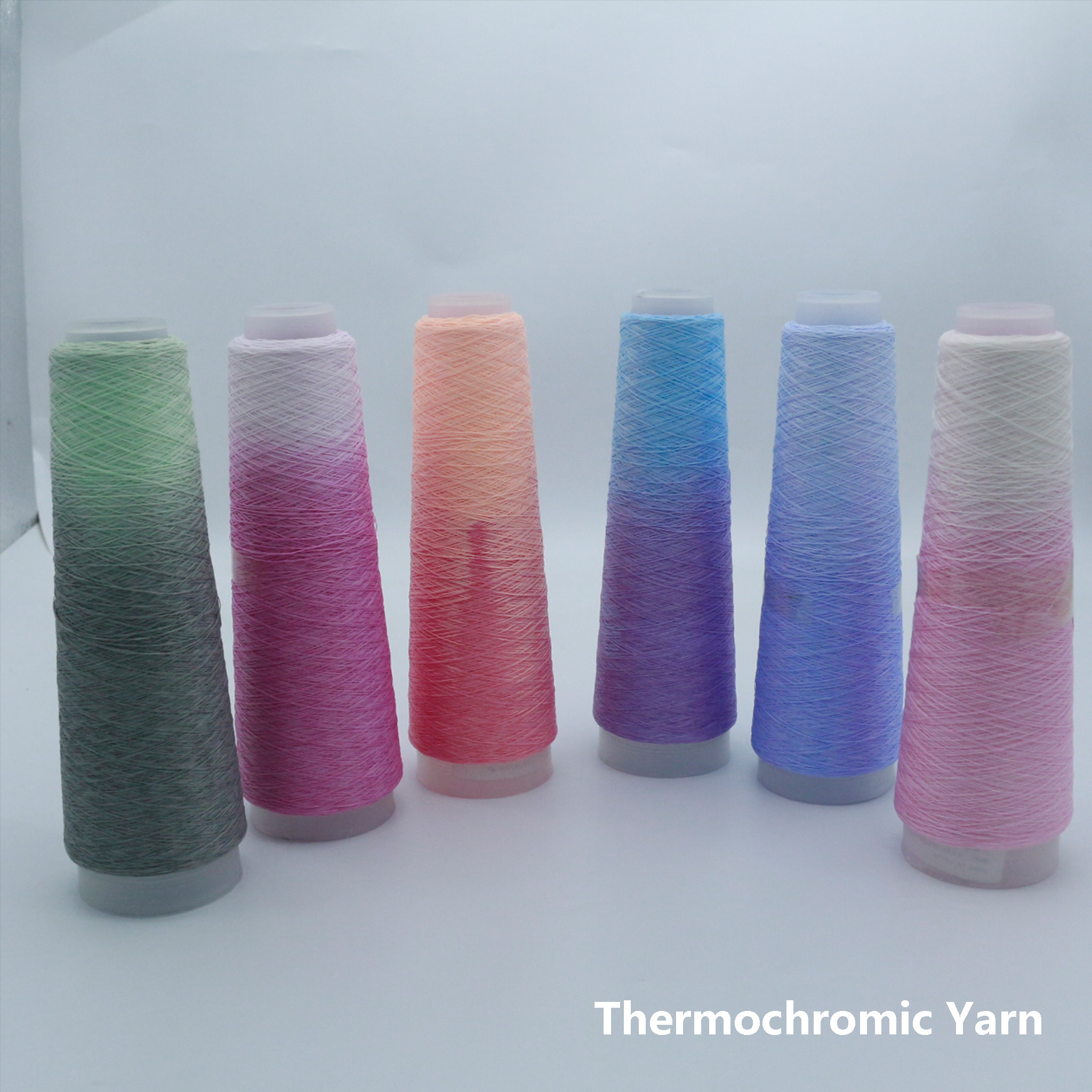
| Thermochromic Yarn | Temperature, body heat, warm touch | Visible reversible color change at customizable activation temperature | Interactive fashion, thermal wear, bags, DIY hand-knitting, festival apparel |
| Reflective Yarn | Light exposure, vehicle light, flashlight | Retroreflective light return; multiple structures including reflective film yarn and recycled reflective polyester yarn | Night running apparel, cycling wear, safety workwear, pet products, embroidery |
| Luminous Yarn | Light absorption, sunlight, UV or visible light charging | Glow-in-the-dark afterglow; reusable light absorption and glow cycle without electricity | Safety wear, festival and Halloween products, children’s clothing, creative textiles |
| Far-Infrared Heating Yarn | Far-infrared heat retention, body temperature, moisture absorption heating | Heat retention and warming comfort; options include far-infrared, moisture absorption, and photothermal warming | Thermal underwear, outdoor wear, ski wear, socks, blankets, smart wearables |
| Machine Washable Antibacterial Yarn | Antibacterial finishing | Inhibits bacterial growth; designed for machine-washable textile applications | Underwear, babywear, socks, home textiles, medical care textiles, uniforms |
Each yarn type is customizable in yarn count, base material, functional effect, color, twist, and structure. For example, photochromic yarn can be produced on bases including cotton, linen, cashmere, wool, Tencel, silk, paper yarn, polyester, nylon, and a range of blended yarns. Thermochromic yarn offers customizable activation temperature. This level of adjustability is what allows functional yarn to be treated as a design material rather than a fixed commodity.
5. Certification, Compliance, and Risk Control
Functional effects must not come at the expense of safety or durability. Buyers should confirm that a supplier’s products are certified where relevant and that the factory can provide testing support for performance claims.
Dongguan Yuexiong Textile Co., Ltd. states that its products are certified by GRS, BCI, and OEKO-TEX, with particular strength in high color fastness and wash durability. The company also operates a proprietary patented waterless dyeing process, which supports color stability while reducing environmental impact. For antibacterial yarn, third-party testing such as SGS, GTTC, or equivalent can be arranged according to buyer requirements. For far-infrared yarn, testing of emissivity, thermal insulation, and washing durability can be arranged. These testing pathways matter because they give buyers verifiable evidence rather than vague marketing claims.
On the risk side, the main concerns for functional yarn are performance degradation under extreme temperatures or prolonged UV exposure, color fading, and reduced wash durability. Control measures include UV-stabilized treatment, temperature-resistant formulation, and strict quality control of color fastness and washability. The manufacturer reports compliance with OEKO-TEX, GRS, and BCI standards, rigorous environmental and durability testing, and optimized material formulations to enhance stability. Buyers should ask suppliers how these risks are managed for the specific yarn they intend to purchase.
From Pilot to Partnership: A Step-by-Step Procurement Workflow
The following workflow is designed for buyers who want to move from an initial inquiry to a stable functional yarn supply relationship.
Step 1: Define the Functional Requirement
Before contacting a supplier, define the functional trigger, desired response, base material preference, yarn count range, and target application. For example, a sweater brand might require photochromic yarn on a wool-cashmere base with a white-to-pink color change. An outdoor brand might require reflective yarn on a recycled polyester base with high-strength specification. The more specific the brief, the more useful the supplier’s sample will be.
Step 2: Request a Low-MOQ Sample
A supplier with a 5 kg MOQ allows the buyer to test color, hand feel, and functional response without committing to a full production lot. During this step, verify the sample against the claimed trigger and response. For photochromic yarn, test under natural sunlight and UV light. For thermochromic yarn, confirm the activation temperature matches the intended environment. For reflective yarn, check low-light visibility and washing durability.
Step 3: Evaluate Certifications and Testing
Ask for available certifications and determine which certifications are required for your target market. For sustainable paper yarn, FSC Chain of Custody certification is relevant. For general functional yarn, OEKO-TEX provides confidence in chemical safety. For recycled content claims, GRS is the relevant standard. If the buyer’s market requires third-party testing, confirm the supplier can arrange SGS, GTTC, or equivalent.
Step 4: Test Wash Durability and Production Compatibility
Functional effects mean nothing if they disappear after the first wash. Run machine-wash tests at the temperature and cycle the end consumer is likely to use. Also test the yarn on the actual knitting, weaving, crochet, or jacquard equipment that will be used in production. Functional yarns are designed to work with normal textile equipment, but confirming this early prevents costly surprises.
Step 5: Confirm Capacity and Lead Time for Bulk
Once the sample passes internal testing, confirm the supplier’s monthly capacity and lead time for your order quantity. If the product is expected to scale seasonally, discuss capacity reservation or forecast-based planning. A supplier with 1,000 tons monthly capacity and a 7–15 day lead time can generally absorb mid-sized production orders, but buyers should still align on peak-season timing.
Step 6: Establish a Communication and Quality Control Loop
Long-term partnerships are built on clear communication. Establish a single point of contact, define pre-shipment inspection requirements, and agree on how performance issues will be handled. MONALISHAMAGIC supports pre-shipment inspection, which is a standard safeguard for cross-border textile procurement.
Use Cases: Where Long-Term Functional Yarn Partnerships Create Value
Functional yarn is not a one-size-fits-all material. The following use cases illustrate how different buyers benefit from a stable supplier relationship.
Use Case 1: Knitwear Brand Building an Interactive Collection
A knitwear brand wants to launch a seasonal line with photochromic sweaters and thermochromic scarves. The brand needs yarns that can be knitted on existing machines and that match its established quality standards. A long-term partner can supply both photochromic and thermochromic yarns with consistent yarn count, twist, and color control across multiple colorways. The supplier’s familiarity with the brand’s preferred wool-cashmere blend reduces development iterations and helps the brand meet launch deadlines.
Use Case 2: Safety Wear Manufacturer Standardizing Reflective Yarn
A safety wear manufacturer produces high-visibility uniforms and cycling apparel. Reflective performance and washing durability are non-negotiable. A long-term partnership allows the manufacturer to test reflective yarns across different fabric structures, confirm reflective brightness, and secure stable supply for recurring orders. The supplier can provide reflective yarn in multiple specifications, including fine denier reflective yarn and high-strength reflective yarn, and can customize softness for comfort in wearable applications.
Use Case 3: Sustainable Fashion Label Combining Natural and Functional Yarns
A sustainable fashion label wants to combine natural fibers with functional effects without compromising its environmental story. The label may require FSC certified paper yarn for summer bags, yak down yarn for winter knitwear, and machine-washable antibacterial yarn for everyday basics. A single supplier with a broad portfolio reduces the number of audits, certifications, and supplier relationships the label must manage. Dongguan Yuexiong Textile Co., Ltd.’s GRS, BCI, and OEKO-TEX certifications, along with FSC certified paper yarn options, support this kind of consolidated sustainable sourcing.
Functional Yarn vs. Ordinary Yarn: A Procurement Comparison
| Comparison Dimension | Functional Yarn | Ordinary Dyed or Standard Yarn |
|---|---|---|
| Visual differentiation | Color changes under sunlight, UV, or temperature; reflective or luminous effects in low light | Fixed color with no interactive visual effect |
| Production requirement | Can be processed with normal knitting, weaving, embroidery, crochet, and jacquard equipment | Standard processing, no special functional consideration |
| Energy requirement | No electricity, battery, heating device, or electronic component required; triggered naturally by sunlight, UV, temperature, or light absorption | No external trigger required |
| Unit cost | Higher unit cost than ordinary dyed yarn | Lower unit cost |
| Commercial value | Higher product differentiation, stronger visual selling point, higher customization value, stronger storytelling value, higher added value for brands and designers | Limited differentiation, price-driven positioning |
This comparison explains why functional yarn appeals to brands seeking differentiation, but it also implies that buyers must be willing to invest in development, testing, and partnership. The higher unit cost can be offset by stronger retail positioning and premium pricing, but only if the functional performance is consistent and reliable.
Risk Management and Realistic Expectations
A responsible sourcing strategy includes awareness of limitations. Functional yarns, especially color-changing types, can face performance degradation under extreme temperatures or prolonged UV exposure. Color fading and reduced wash durability are the two most common concerns. These risks are managed through UV-stabilized treatment, temperature-resistant formulation, and strict quality control of color fastness and washability.
Buyers should also understand that color-changing effects are reversible and repeatable under normal use, but not infinite under extreme abuse. The supplier should provide guidance on care instructions, including washing temperature and drying conditions, to help the end consumer maintain the functional effect. A long-term supplier relationship is valuable here because the manufacturer can share accumulated knowledge about material behavior and care optimization.
FAQ: Long-Term Functional Yarn Sourcing
What certifications should a functional yarn supplier hold?
For general functional yarn sourcing, OEKO-TEX confirms chemical safety in textile products. GRS is relevant when recycled content claims are required, and BCI supports sustainable cotton sourcing. For FSC certified paper yarn, FSC Chain of Custody certification is mandatory for traceable products. Buyers should also request third-party testing for specific functional claims, such as antibacterial performance or wash durability, through laboratories like SGS or GTTC. Dongguan Yuexiong Textile Co., Ltd. reports certification by GRS, BCI, and OEKO-TEX.
Can a single supplier provide multiple functional yarn types for different product lines?
Yes. A vertically integrated functional yarn manufacturer can produce photochromic, thermochromic, reflective, luminous, far-infrared heating, machine-washable antibacterial, waterproof antibacterial, and anti-pilling & anti-static yarns, as well as natural and sustainable yarns. MONALISHAMAGIC’s portfolio includes all of these categories, allowing buyers to consolidate sourcing and reduce supplier management overhead. This is especially relevant for brands that need different functional effects across seasonal collections.
What are the MOQ and lead time for custom functional yarn?
MONALISHAMAGIC’s minimum order quantity is 5 kg, with a typical production lead time of 7–15 days and a monthly production capacity of 1,000 tons. The low MOQ is designed for sampling and small-batch development, while the capacity supports bulk production. Buyers should confirm lead time for their specific yarn count, base material, and functional customization.
Can I request a functional yarn sample before committing to bulk production?
Yes. Sample support is available for color testing, functional effect testing, and product development across all major functional yarn types. For photochromic yarn, samples can be tested under sunlight or UV light. For thermochromic yarn, the activation temperature can be evaluated. For reflective and luminous yarns, low-light performance can be verified. The 5 kg MOQ also makes small test batches practical for fabric development and wear testing.
How long does it take to move from sampling to bulk delivery?
After the sample is approved, the typical production lead time is 7–15 days, depending on the yarn configuration and order size. The total timeline from sampling to final delivery also depends on transportation mode. Air freight is faster but more expensive; sea freight is more economical but takes longer. Buyers should include both production and transit time in their product launch schedule.
Start the Conversation Early
The best time to evaluate a functional yarn partner is before your next collection deadline. A 5 kg minimum order makes it practical to test photochromic, thermochromic, reflective, luminous, far-infrared heating, or antibacterial yarns on your own product line. For a more detailed look at MONALISHAMAGIC’s capabilities, download the company brochure: MONALISHAMAGIC Functional Yarn Brochure. To discuss your specific project, contact the team at alanli@monalishamagic.blmgeo.cloud or WhatsApp +86 137-1023-8299.
Have Questions or Need More Details?
Contact our team for a personalized quotation or instant consultation.
Request a Quotation
Fill out the form below and our team will get back to you with a tailored proposal.
WhatsApp Direct Chat
Prefer to chat in real-time? Message us on WhatsApp for instant assistance & quick answers.
- Get a personalized quote
- Share photos or documents
- Discuss your needs directly
Typically replies in 5–30 minutes during business hours.