Machine-Washable vs. Waterproof Antibacterial Yarn: Sampling & Acceptance Guide
Machine-Washable vs. Waterproof Antibacterial Yarn: Sampling & Acceptance Guide
Machine-washable antibacterial yarn and waterproof antibacterial yarn are often presented as two versions of the same easy-care functional yarn decision. In practice, they solve different buyer problems. YX-WASH-001 is positioned around antibacterial protection, soft hand feel and repeated machine washing depending on maintenance. YX-FUNC-001 is positioned around water-repellent finishing plus an antibacterial agent. The buyer decision is not which label sounds stronger. It is which performance profile fits the product, the care label and the acceptance test the buyer can actually enforce.
This comparison is written for the decision stage: after shortlisting, before bulk order. It explains what each yarn is designed to do, how to compare samples without mixing test variables, and what to write into acceptance criteria. It does not treat antibacterial or water-repellent claims as self-proving. Both require method, conditions and post-care verification.
Why these two antibacterial yarns are not interchangeable
The first issue is the care and exposure profile of the finished article. A next-to-skin knit that will be worn repeatedly and washed at home has different requirements from an outer layer, bag, cover or trim that must resist surface wetting. Machine-washable antibacterial yarn is oriented toward the first situation. Water-repellent antibacterial yarn is oriented toward the second. If a buyer swaps one for the other without rechecking hand feel, finish durability, care instructions and test method, the sample may pass a general antibacterial check while failing the actual product requirement.
The second issue is terminology. The assigned category uses the term waterproof antibacterial yarn, but the specific supplied fact for YX-FUNC-001 is water-repellent finishing plus an antibacterial agent. Water-repellent and waterproof are not interchangeable terms in textile procurement. A water-repellent finish is normally assessed against surface wetting behavior under defined conditions. Waterproof performance is a different claim and must be defined by the buyer and confirmed with an agreed method. Buyers should not convert a water-repellent finish into a waterproof guarantee without written evidence.
The third issue is maintenance. YX-WASH-001 is described as supporting repeated machine washing depending on maintenance. That phrase matters. It means the care routine is part of the product definition. Wash temperature, detergent, mechanical action, drying and abrasion can all affect the finish and hand feel. YX-FUNC-001 adds a water-repellent finish, so the wash and care routine must also be checked against that finish. In both cases, the buyer should sample the yarn in the intended fabric structure and test it after the proposed care cycle, not only in the greige or finished-yarn state.
What each product is designed to do
YX-WASH-001: machine-washable antibacterial yarn
YX-WASH-001 is a functional yarn option built around three supplied facts: antibacterial protection, soft hand feel, and repeated machine washing depending on maintenance. For buyers, those facts point to products where the wearer experience and the laundry routine are central. The soft hand feel is relevant to next-to-skin knits, light sweaters, loungewear, home textiles and other articles where a harsh or waxy finish would be a commercial problem. The repeated machine washing point is relevant to programs where the consumer expects the garment to return to normal after home care, not only after a single wear.
The limits are equally important. The supplied facts do not state a water-repellent finish. A buyer should not assume spill resistance, rain resistance or waterproof performance from the antibacterial positioning. The antibacterial claim also needs a method. Ask how the claim is assessed, whether it is measured on yarn or finished fabric, whether the test includes a wash preconditioning step, and what care instructions the result depends on. Those questions protect both the buyer and the supplier because an antibacterial claim without a stated method is difficult to accept or repeat in bulk.
YX-FUNC-001: water-repellent antibacterial yarn
YX-FUNC-001 is described by the supplied fact as water-repellent finishing plus an antibacterial agent. That combination is relevant when the product needs some resistance to surface water or spills while still carrying an antibacterial function. Typical evaluation points are outerwear, bags, covers, trims and other articles where liquid exposure is part of use. The water-repellent finish is the differentiator, but it also creates additional sampling questions: how the finish is defined, how it performs after abrasion and washing, whether it changes hand feel, and whether it affects breathability or drape in the intended fabric.
The supplier fact does not state a soft hand feel for YX-FUNC-001. That does not mean the yarn is unsuitable for soft products. It means hand feel must be confirmed on the sample. A water-repellent finish may change surface feel, and the effect depends on the base fiber, yarn count, fabric structure and finishing route. Buyers should judge the finished fabric, not the yarn label alone. The antibacterial agent also needs the same method and post-care discipline described above.
Industry context: verification is catching up with the category label
Functional yarn is a broad commercial category, and the finishing route matters as much as the base fiber. Fortune Business Insights projects the global textile yarn market to reach USD 121.99 billion in 2026, but that is a broad textile-yarn figure and does not isolate functional yarn. It is useful as background for the scale of the yarn supply chain, not as evidence that any specific antibacterial or water-repellent product performs as claimed.
Compliance expectations are also becoming more explicit. China's GB/T 29862-2026 standard for textile fiber content identification takes effect on August 1, 2027. For buyers serving that market, fiber content and labeling should be checked against the applicable requirement rather than handled as a late paperwork step. Antibacterial and water-repellent claims sit alongside fiber content, care labeling and restricted-substance requirements. Each claim should be supported by a document the buyer can read, not only by a product name.
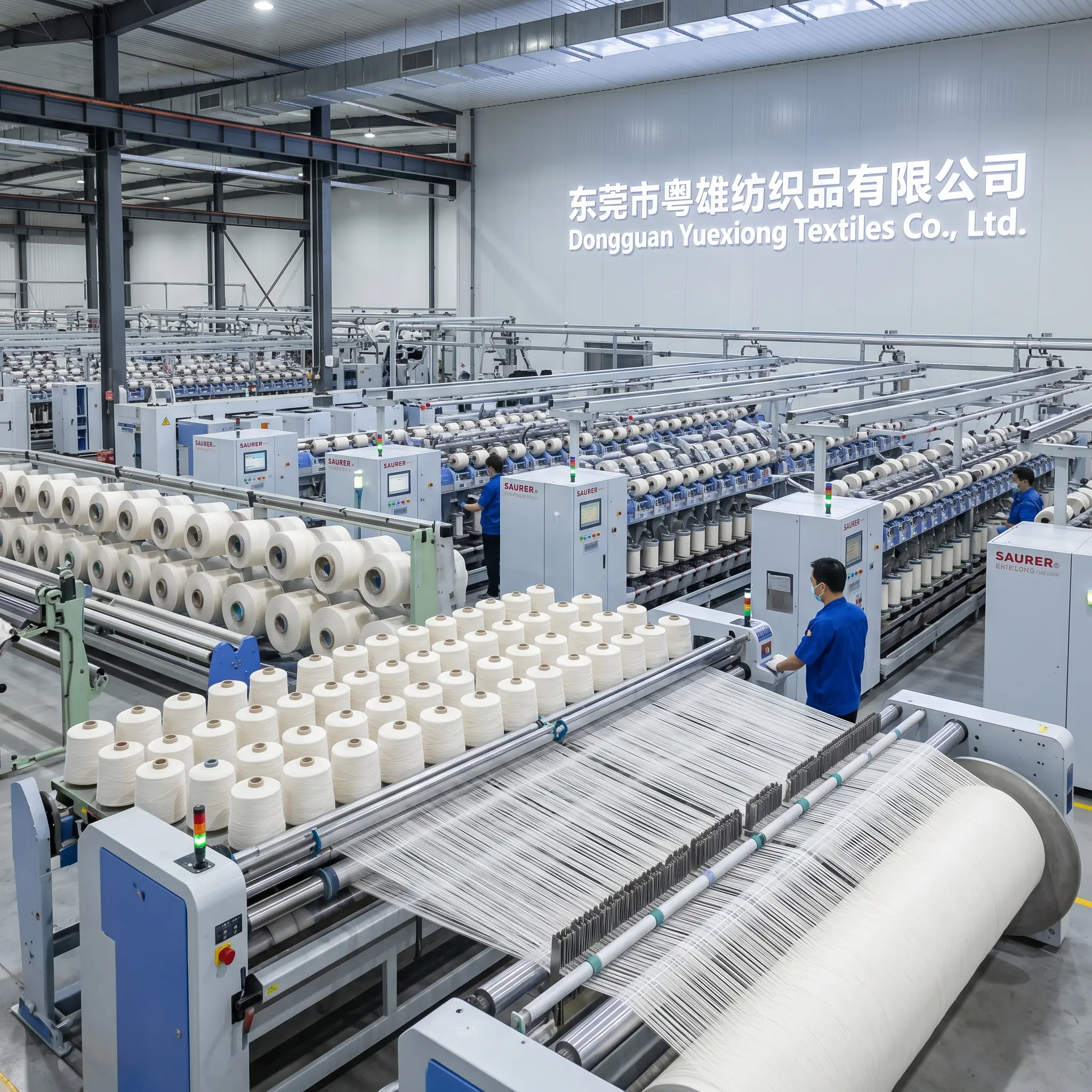
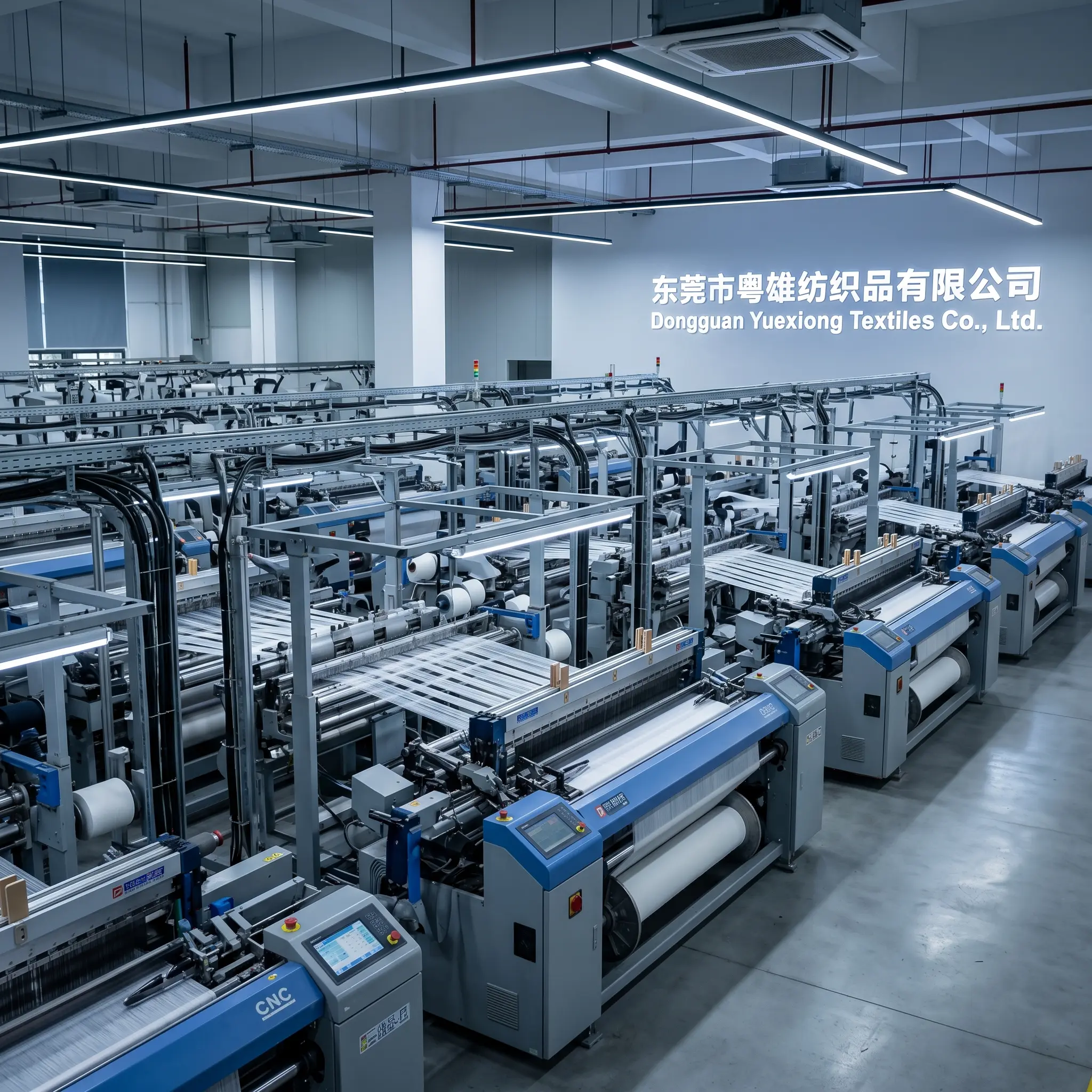
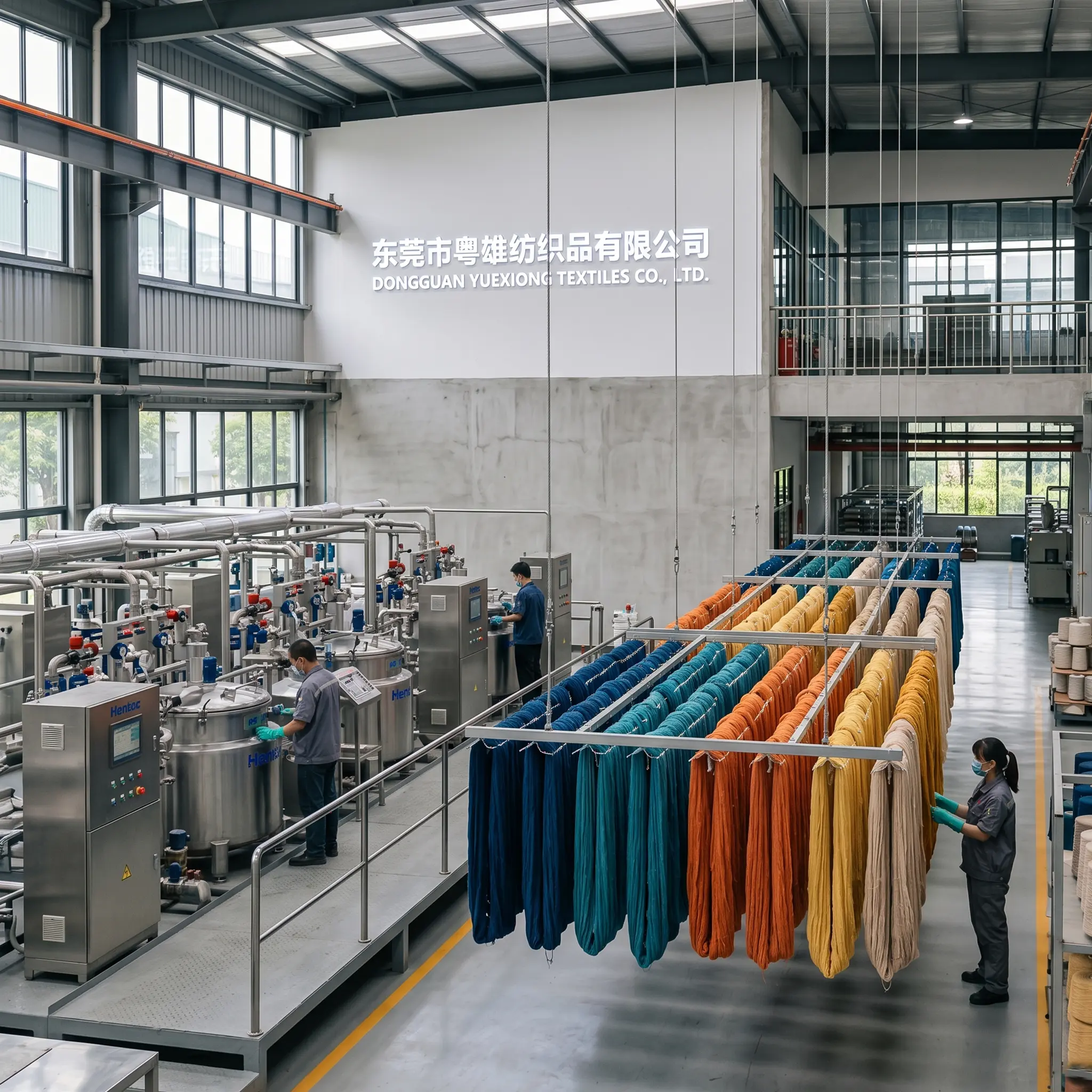
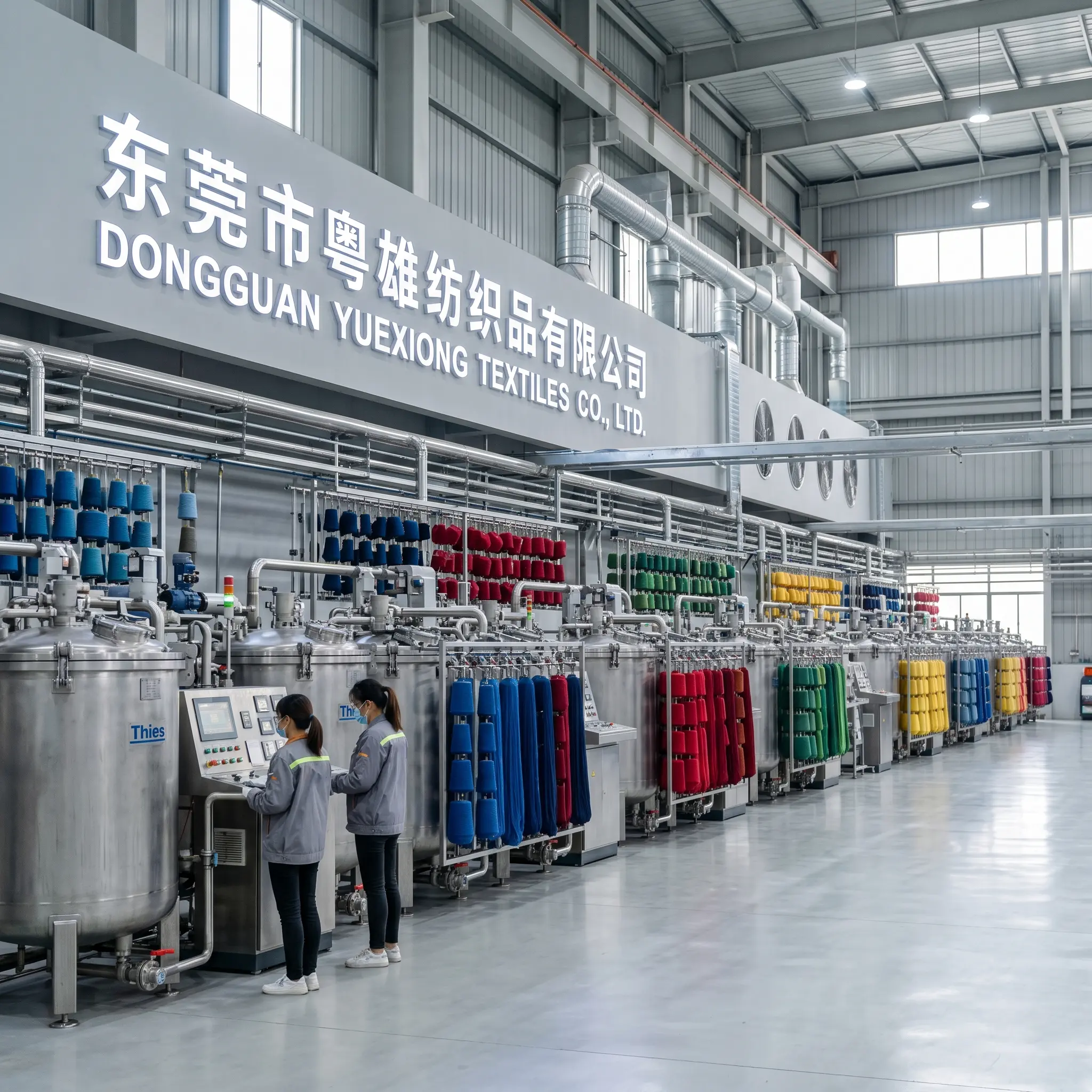
MONALISHAMAGIC is the brand of Dongguan Yuexiong Textile Co., Ltd., a functional-yarn manufacturer founded in 2016 with a 2,000 sqm factory, 50 employees, 1,000 tons annual output and 20 engineers. The company states that 70% of sales are exported and that it holds GRS, BCI and OEKO-TEX certifications and uses a patented waterless dyeing process. These are company-level facts. They support supplier capability and document review, but they do not replace product-specific test reports or convert a water-repellent finish into a waterproof guarantee. Buyers should keep company qualification and product acceptance as two separate checks.
Comparison table: machine-washable vs water-repellent antibacterial yarn
| Decision point | YX-WASH-001 | YX-FUNC-001 |
|---|---|---|
| Supplied functional facts | Antibacterial protection; soft hand feel; repeated machine washing depending on maintenance. | Water-repellent finishing plus antibacterial agent. |
| Primary buyer benefit | Comfort and a care routine built around repeated machine washing. | Surface water repellency combined with antibacterial function. |
| Water repellency | Not stated in the supplied facts. Do not assume spill or rain resistance. | Water-repellent finishing is stated. Confirm the definition, test method and durability after care. |
| Hand feel | Soft hand feel is stated. Confirm it after the proposed wash cycle. | Not stated in the supplied facts. Confirm on the finished fabric, especially if next-to-skin softness matters. |
| Care and washing | Repeated machine washing depends on maintenance. Set the care label and verify post-wash performance. | Wash and care depend on the water-repellent finish. Confirm finish durability and care instructions. |
| Typical fit | Next-to-skin knits and programs where repeated home laundering and softness are priorities. | Outerwear, spill-exposure items and products where water repellency is a stated priority alongside antibacterial function. |
| Sampling focus | Hand feel before and after washes; antibacterial claim method; care label wording. | Water repellency before and after abrasion or washing; hand feel; breathability if required; antibacterial claim method. |
| Main limitation to manage | No water-repellent finish is stated; performance depends on maintenance. | Water-repellent is not automatically waterproof; finish and hand feel must be validated on the final fabric. |
How to run a sampling program: step by step
A useful sampling program does not compare two yarns in isolation. It compares two candidate materials under the same fabric structure, dyeing route, finishing route and care cycle. Otherwise the buyer cannot tell whether a difference comes from the yarn, the knitting, the dyeing or the finishing.
- Lock the end use and care label first. Define the article, the wearer contact, the expected wash frequency and any water or spill exposure. Write a draft care label before sampling. If the product cannot be machine washed under the proposed conditions, a machine-washable candidate should not be approved on a different care routine.
- Write a two-column performance brief. State the must-have antibacterial claim and, separately, whether water repellency is required. Include hand feel, colorfastness, appearance, fiber content, labeling market and any breathability or drape requirement. This prevents a water-repellent sample from being judged only on antibacterial performance, or a washable sample from being judged on a water-repellent requirement it was never supplied to meet.
- Request matched samples. Ask for YX-WASH-001 and YX-FUNC-001 in the same base fiber and comparable yarn count where possible. Record the sample code, lot, count, composition and finishing route. If the two samples use different base fibers or constructions, treat the comparison as indicative and plan a second round with matched structures.
- Knit the same fabric structure. Use the same knit or weave, density and dyeing route for both candidates. Include a control fabric without the functional finish if the supplier can provide one. A control helps the buyer see whether hand feel, color or water repellency changed because of the functional route rather than normal processing variation.
- Run a blind hand-feel panel. Evaluate softness, drape and surface feel before washing and after the proposed wash cycle. Do not tell panelists which sample is the water-repellent option. Record the consensus and any conditions, such as whether the fabric is used next to skin or as an outer layer.
- Test the claims with method and conditions. For antibacterial performance, ask for the test method, specimen preparation, whether the test is on yarn or fabric, whether a wash preconditioning step is included, and the reported result. For water repellency, ask for the definition, test method, units or rating scale, and performance after the proposed care cycle. Do not accept a claim that cannot be tied to a method and a sample stage.
- Audit labeling and document fit. Check fiber content, care instructions, country-specific labeling and any claim wording against the market. For China, include the GB/T 29862-2026 fiber content labeling requirement in the document review timeline. Keep product test reports separate from company certificates so that a company-level certificate is not used as proof of a specific yarn property.
- Convert sample results into acceptance criteria. Write pass or fail rules for hand feel, appearance, colorfastness, antibacterial performance and water repellency where applicable. State the test method, sample stage, wash preconditioning and acceptance range in the purchase specification. Retain the approved sample and a sealed reference lot.
Use cases: matching the yarn to the product failure mode
Where YX-WASH-001 is the more natural starting point
YX-WASH-001 should be evaluated first when the product will be worn close to the body, washed often and judged on softness. Examples include knit tops, loungewear, light sweaters, scarves and home textiles where a soft hand feel and a practical home-care routine are commercial requirements. In these products, a stiff or waxy water-repellent surface may be a drawback rather than a benefit. The buyer should still verify the antibacterial claim and post-wash hand feel, because the supplied fact says repeated machine washing depends on maintenance.
Where YX-FUNC-001 is the more natural starting point
YX-FUNC-001 should be evaluated first when surface water or spill exposure is part of the use case. Examples include outerwear, bags, covers, trims and other articles where the buyer wants water-repellent finishing plus an antibacterial agent. The buyer should define what water repellency means for that article. A light spill on a bag, rain on a jacket and a wet wipe on upholstery are not the same requirement. The sample should be tested after the care cycle the product will actually receive. If the product also needs next-to-skin softness, hand feel must be confirmed rather than assumed.
Where neither label is enough without a combined brief
Some products need freshness management and water repellency. In that case, the buyer should not choose a yarn name and hope the rest follows. Write the priority order: which property is non-negotiable, which is preferred, and which can be traded against hand feel or care. Ask the supplier whether the proposed product can meet both requirements or whether the brief needs a different construction or finishing route. The answer should be supported by sample data, not by a general portfolio description.
Acceptance criteria to write into the specification
Acceptance criteria should be specific enough to reject a nonconforming lot and practical enough for the supplier to control. For either yarn, include fiber content, yarn count, composition, color, finish description and care label. For YX-WASH-001, add hand feel after the proposed wash cycle, appearance after washing, and antibacterial claim method. For YX-FUNC-001, add water-repellency performance before and after the proposed care cycle, hand feel, and any breathability requirement that affects the end use. Both should include the test method, sample stage, wash preconditioning and acceptance range.
Commercial terms also belong in the specification, but they should be requested on a like-for-like basis. Ask for the quotation basis, minimum order, lead time, sample policy and any development charge in writing. Do not compare a water-repellent yarn quote with a machine-washable yarn quote unless the base fiber, count, finishing, testing and packaging assumptions are the same. If the supplier cannot state those assumptions, the price comparison is not yet a procurement comparison.
Bulk control should repeat the sample logic. Keep the approved sample, define the inspection points, and ask for lot-to-lot consistency on count, hand feel, color and functional finish. If the product carries an antibacterial or water-repellent claim, request the relevant test report for the bulk lot or the agreed monitoring frequency. The goal is not more paperwork. It is a traceable link between the claim, the sample and the shipment.
Limitations and risk controls
Functional finishes can degrade under extreme temperatures or prolonged UV exposure. Color fading or reduced wash durability is a known risk in functional textile programs. The supplied risk-control approach includes UV-stabilized treatment, temperature-resistant formulation, and quality control of color fastness and washability. Buyers should translate that into practical questions: what care conditions are outside the recommended range, what happens after repeated washing, and which test method is used to monitor the finish. For YX-WASH-001, the maintenance condition is part of the product promise. For YX-FUNC-001, the water-repellent finish adds another layer that must be checked after care and abrasion.
There is also a claim-boundary risk. A supplier may hold company-level certifications while a specific product still needs its own test evidence. A water-repellent finish may be described in sales language as waterproof, but the buyer should keep the terms separate until the method and result are agreed. An antibacterial agent may be present in the yarn, but the buyer still needs to know how the finished fabric is assessed. These are not reasons to reject the category. They are reasons to make the sampling and acceptance process explicit.
FAQ
What should a buyer verify before accepting an antibacterial claim?
Verify the test method, the sample stage, the specimen preparation, any wash preconditioning and the reported result. Confirm whether the claim applies to the yarn or the finished fabric and whether the care label is part of the claim condition. Keep the product test report separate from company-level certificates. The buyer should be able to read the method and understand what was measured, not only see the word antibacterial.
Which yarn is the better fit for products that will be machine washed frequently?
YX-WASH-001 is the more natural starting point because its supplied facts include soft hand feel and repeated machine washing depending on maintenance. That does not remove the need for sampling. Confirm hand feel and antibacterial performance after the proposed wash cycle, and set a care label that matches the tested conditions. If the product also needs water repellency, compare YX-FUNC-001 separately rather than assuming the washable option covers both requirements.
Is YX-FUNC-001 the same as a waterproof yarn?
The supplied fact for YX-FUNC-001 is water-repellent finishing plus an antibacterial agent. Water-repellent and waterproof are not interchangeable. Ask the supplier to define the water-repellent performance, state the test method and show the result after the proposed care cycle. If the product requires waterproof performance, request evidence for that specific claim and do not rely on the category name alone.
How should buyers compare the commercial value of the two options?
Compare quotations on the same base fiber, yarn count, finishing, testing, packaging and delivery basis. Ask for minimum order, lead time, sample policy and any development charge in writing. A lower yarn price is not a lower program cost if the finish fails after washing or if the hand feel does not meet the product requirement. The comparison should include the cost of testing, rework risk and the care performance the buyer actually needs.
What sampling protocol should compare YX-WASH-001 and YX-FUNC-001?
Use the same fabric structure, density, dyeing route and proposed care cycle for both candidates. Include a control fabric if available. Run a blind hand-feel panel before and after washing, test the antibacterial claim by an agreed method, and test water repellency for YX-FUNC-001 before and after care. Record the sample code, lot, count, composition and finishing route. Approve only after the results match the product brief and the acceptance criteria are written into the purchase specification.
If the product brief is still split between repeated-wash comfort and water-repellent protection, request a matched sample set from MONALISHAMAGIC and test both candidates under the same care cycle. Buyers can also download the MONALISHAMAGIC functional yarn brochure for the wider product context before the next sampling round.
Conclusion
YX-WASH-001 and YX-FUNC-001 are not competing answers to one question. They answer two different product requirements. YX-WASH-001 fits programs where antibacterial protection, soft hand feel and repeated machine washing depending on maintenance are the center of the brief. YX-FUNC-001 fits programs where water-repellent finishing plus an antibacterial agent is needed and the buyer can define and verify the water-repellent performance. The decision should be made on the finished fabric, under the proposed care cycle, with a method-based claim and written acceptance criteria. That is the difference between choosing a functional yarn label and choosing a yarn the buyer can approve with confidence.
Have Questions or Need More Details?
Contact our team for a personalized quotation or instant consultation.
Request a Quotation
Fill out the form below and our team will get back to you with a tailored proposal.
WhatsApp Direct Chat
Prefer to chat in real-time? Message us on WhatsApp for instant assistance & quick answers.
- Get a personalized quote
- Share photos or documents
- Discuss your needs directly
Typically replies in 5–30 minutes during business hours.