Functional Yarn After-Sales FAQ: Sample to Repeat Orders
Functional Yarn After-Sales FAQ: From Sample Approval to Repeat Orders

Cover: Dongguan Yuexiong Textiles Co., Ltd., the mill behind the MONALISHAMAGIC functional yarn range.
After-sales support for functional yarn is not a complaints desk bolted onto a sales team. It is the set of written commitments that keep the second, fifth and tenth production run behaving like the sample a brand signed off. MONALISHAMAGIC (Dongguan Yuexiong Textile Co., Ltd.) is a functional yarn manufacturer and OEM/ODM mill in Dongguan, China, founded in 2016, and this page answers the questions buyers raise most often between sample approval and a repeat purchase order: what is fixed in writing, what can still move, how acceptance is judged, and what keeps a color-change or machine-washable yarn consistent across a long supply relationship.
The questions follow the order a purchasing team normally meets them: commercial terms and compliance first, then capability and customization, minimum order, sampling and lead time. Each answer is written to stand on its own, so it can be read without the surrounding page.
What after-sales coverage includes in a functional yarn program
In a functional yarn program, three things have to keep working after the first delivery:
- A specification record that describes the approved yarn precisely enough for someone else to reproduce it.
- Acceptance criteria agreed before bulk, so that a disagreement about a shipment is settled by inspection rather than by opinion.
- A defined route for deviations, from a batch already in production to the next repeat order.
This matters more for a functional yarn than for a plain dyed yarn. When the yarn is bought for a behavior — a color that appears under sunlight, a color that appears with temperature, reflectivity in low light, or wash durability — the buyer is not only purchasing a count and a shade. The buyer is purchasing an effect that must still be visible after knitting, after finishing and after laundering. A specification record that captures only count and color leaves the part that carries the value undocumented.
Why an approved sample does not guarantee a repeat order
Most after-sales disputes in functional yarn begin with a sample that was approved on appearance alone. A small swatch can look correct and still fail to repeat at bulk scale, because the sample fixed almost nothing that the bulk run depends on.
Three gaps recur. First, the effect itself is often judged visually rather than against a written reference — the swatch was taken into sunlight, or warmed in a hand, and the reaction was accepted without recording the conditions. Second, the technical parameters that drive the effect are not written into the approval document: thermochromic yarn is offered with a customizable activation temperature, and if that temperature is not recorded, a later run can switch at a different point while sharing the same color name. Third, the color standard stays physical and undocumented, so when a brand-exclusive shade is reordered months later, the only reference is a swatch that may already have faded.
The gap is procedural rather than technical, and the practical fix is to treat sample approval as a document event: the physical reference is kept, and the parameters that produced it are written down next to it.
Compliance timing to plan for in a long supply relationship
Fiber content labeling is the compliance item most likely to change in the middle of a multi-season relationship. China's GB/T 29862-2026 standard for textile fiber content identification was issued in 2026 and takes effect on 1 August 2027, replacing GB/T 29862-2013, as reported by SGS News in September 2026. A program that runs into the second half of 2027 should confirm, at the sample stage rather than at the shipping stage, that the fiber-content wording on the label and in the specification record will still be valid when the goods land.
On the materials side, MONALISHAMAGIC states that its products are certified to GRS, BCI and OEKO-TEX, and describes its dyeing route as a proprietary patented waterless dyeing technology. Certifications attach to specific products and sites under specific scheme rules, so a buyer should confirm which certificate covers the exact yarn being ordered rather than treating a portfolio-level statement as order-level proof. The company's portfolio spans luxury natural fibers including cashmere and organic cotton, recycled nylon under GRS, and forward-looking functional yarns such as thermochromic, photochromic and conductive heating materials.
The commercial terms that apply to every run
Commercial terms belong in an after-sales discussion because they decide where responsibility sits when something is wrong. The stated terms for MONALISHAMAGIC functional yarn orders are summarized below.
| Term | Stated terms |
|---|---|
| Minimum order quantity | 5 KG |
| Typical production lead time | 7–15 days |
| Stated monthly production capacity | 1,000 tons |
| Delivery terms | Air freight, sea freight, land transport |
| Acceptance criteria | Pre-shipment inspection |
| Payment terms | TT, L/C, D/P; PayPal / Payoneer / Wise; Western Union |
Each line has a practical consequence. A 5 KG minimum keeps development-scale trials and designer collection work possible without committing to bulk volume. The 7–15 day figure is production time for a typical run and does not include transit, so it should not be copied into a customer promise without adding freight. A stated monthly capacity of 1,000 tons is the context for seasonal peaks and repeat scheduling rather than a promise about any single order. And because pre-shipment inspection is the stated acceptance criterion, the inspection scope has to be agreed before production starts — an inspection defined after the goods are finished cannot protect either side.
From sample approval to bulk: six steps that decide the repeat order
The sequence below is the shortest reliable route from an approved sample to a first bulk shipment that can be repeated without renegotiation.
1. Freeze the specification record
Write the yarn type and the model identifier where one exists. MONALISHAMAGIC publishes model identifiers for its color-reactive and reflective lines — YX-UV-001 for the photochromic line, YX-HEAT-001 for the thermochromic line and YX-REFLECT-001 for the reflective line — and recent product examples in the same series include YX-WASH-001 for the machine-washable antibacterial range. Next to the identifier, record the yarn count within the 0.5/1NM to 200/2NM range, the base fiber, the color reference and any effect parameter, such as the activation temperature of a thermochromic yarn.
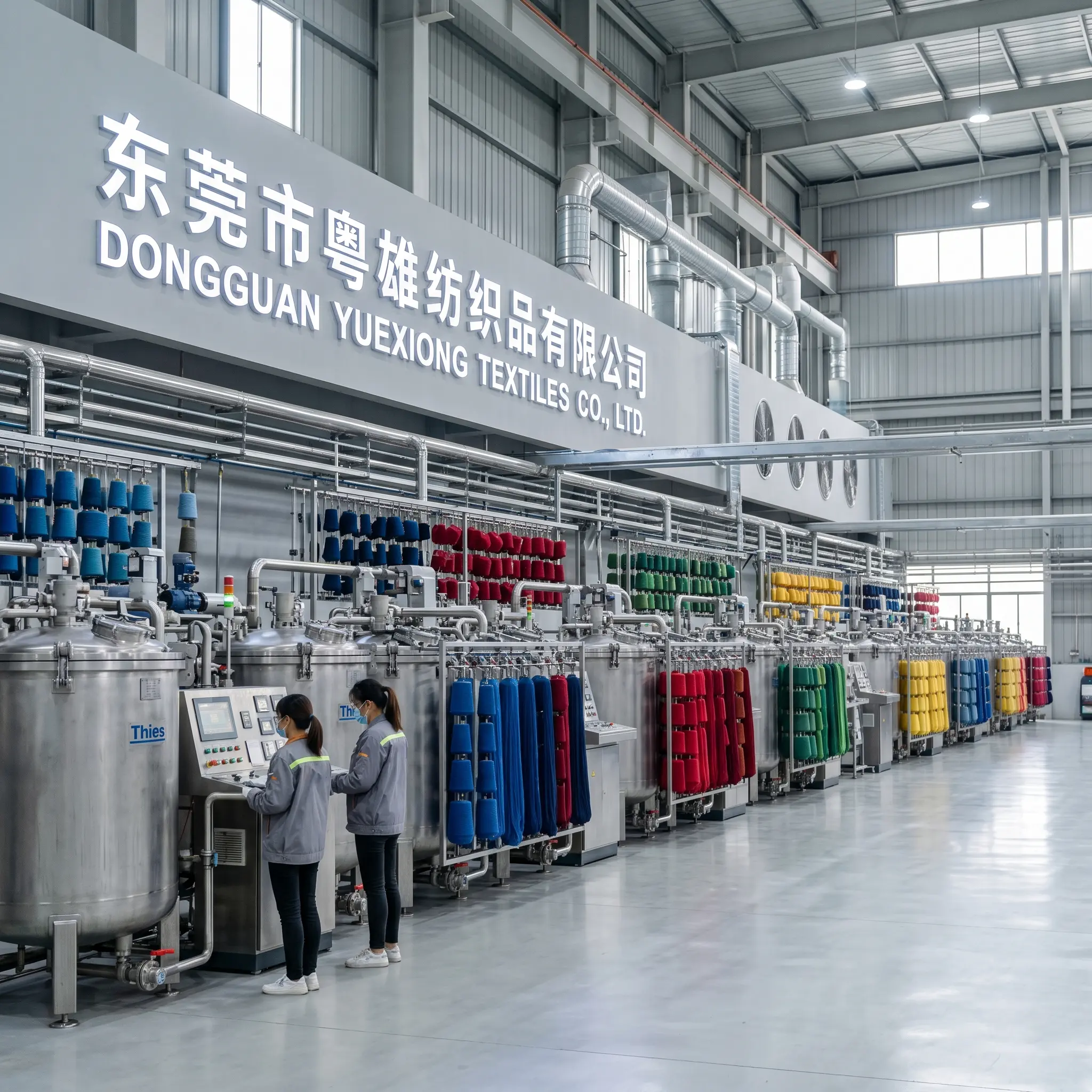
Sample approval becomes repeatable when the parameters behind the swatch are written into the order record.
2. Agree the acceptance criteria before bulk
Pre-shipment inspection is the stated acceptance criterion. Agree what the inspection covers, which defects are material, who attends or receives the report, and what record is retained. This is also the moment to agree what happens if inspection finds a deviation — rework, replacement or a documented concession — while there is still time to act on it.
3. Approve color against a retained standard
Approve the shade under the lighting the finished garment will be sold in, and keep the physical standard with an expiry discipline attached. Programs that use a brand-exclusive color should treat that standard as an asset: it is the only object that lets a reorder six months later be judged against the original intent rather than against memory.
4. Fix the test and certification evidence
Decide at this point which documents travel with the shipment: certification evidence for GRS, BCI or OEKO-TEX as applicable to the specific yarn, and any third-party laboratory confirmation the buyer's own compliance file requires. Where third-party testing is needed, name the test scope, the standard applied and the sample to be tested in the purchase order, and use an accredited provider — SGS is one commonly named example. Third-party testing supports a claim; it does not replace a specification record.
5. Run the first bulk against the frozen record
The first bulk order should be produced against the document from step one, not against a fresh verbal instruction. Any change requested after the record is frozen — a count adjustment, a shade tweak, a different base fiber — should be versioned, because an unversioned change is the most common origin of a later mismatch.
6. Convert the first bulk into a repeat schedule
Once the first bulk has passed pre-shipment inspection, the repeat order should reference the same record. Repeating from a document rather than from a conversation is what turns a one-off purchase into a supply relationship with predictable output.
Customization boundaries: counts, colors and processes
Customization is where buyers most often assume more freedom than the process allows, so the boundaries are worth stating plainly. Yarn counts are customizable from 0.5/1NM to 200/2NM, and multi-material customization is supported, which matters when a color-changing effect has to sit on a base that suits the end product rather than on a default carrier fiber.
Color is handled two ways. Standard shades are matched to a reference, while brand-exclusive colors are developed for a specific label and held to that label's standard. In both cases the approved physical standard, not the color name, is the operative reference for a repeat order.
Processing is deliberately unrestricted. Photochromic, thermochromic and reflective yarns are described as processable on normal knitting, weaving, embroidery, crochet and jacquard equipment, with no special electronic device required. The effect is activated by the environment — sunlight or UV exposure for photochromic yarn, temperature or body heat for thermochromic yarn — so no battery, heating element or electronic component enters the finished garment. For after-sales purposes this is a simplification: there is no electronic part to service or replace, which means the durability of the yarn itself carries the entire service life of the effect.
Where consistency breaks, and how it is controlled
The failure modes in functional yarn are known and named in the manufacturer's own risk documentation, which makes them easier to discuss at the sample stage rather than after a complaint.
| Risk | Control method | Enterprise measure |
|---|---|---|
| Performance degradation under extreme temperatures or prolonged UV exposure | UV-stabilized treatment and temperature-resistant formulation | Compliance with OEKO-TEX, GRS and BCI; durability testing; optimized material formulations and waterless dyeing |
| Color fading or reduced wash durability | Strict quality control of color fastness and washability | Rigorous environmental and durability testing alongside the same compliance framework |
The buyer-facing translation is a question worth asking at every sample approval: which of these controls applies to this specific yarn, and what laundering reference will the repeat order be judged against? A supplier who can answer with a named control has a process; one who answers with reassurance has a hope.
Color-reactive and reflective yarns do not age the same way
The three light- and heat-reactive categories share a manufacturing platform but not a wear profile, so the after-sales watchpoint differs by category.
| Yarn | Stated behavior | Count range | Typical programs | Confirm at repeat |
|---|---|---|---|---|
| Photochromic yarn | 100% visible color change under UV exposure; reversible response | 0.5/1NM to 200/2NM | Sunlight fashion wear, outdoor knitwear, children's clothing, hats, scarves, beachwear | UV exposure conditions used at approval |
| Thermochromic yarn | 100% visible color change at target temperature; reversible; customizable activation temperature | 0.5/1NM to 200/2NM | Interactive fashion, heat-reactive hats and scarves, bags, crochet and hand-knitting | The recorded activation temperature |
| Reflective yarn | Consistent reflectivity in low light; durable performance after repeated washing | 0.5/1NM to 200/2NM | Night running and cycling apparel, safety workwear, reflective uniforms, footwear | Wash reference for the end use |
Usage intensity should drive the specification. A reflective yarn going into a uniform that is laundered commercially is a different brief from the same yarn in a festival accessory, and a photochromic yarn for children's clothing deserves a stricter view of UV exposure than one used in a display piece. Stating the end use at the sample stage lets the count, base fiber and finishing route be chosen for that use rather than adjusted later.
What keeps a repeat order stable over time
Repeat stability comes from four habits rather than from any single clause. Keep one specification record and version it instead of replacing it. Keep the approved color standard in controlled storage and re-approve it when it ages. Keep the acceptance criteria identical between the first bulk and every repeat, so that inspection means the same thing each time. And keep the end use visible to the mill, because a change in the destination market or the laundering regime is a change to the brief even when the yarn order looks the same.
Applied consistently, these habits convert a 5 KG development order into a repeat program that can be planned against a typical 7–15 day production lead time and a stated monthly capacity of 1,000 tons, with air, sea or land freight chosen per shipment rather than fixed once.
Frequently asked questions
What purchasing terms and acceptance criteria apply to a functional yarn order?
The stated terms are a 5 KG minimum order quantity, a typical production lead time of 7–15 days, and a monthly production capacity of 1,000 tons. Delivery is by air freight, sea freight or land transport. Acceptance is based on pre-shipment inspection, and payment can be made by TT, L/C or D/P, through PayPal, Payoneer or Wise, or by Western Union. Because acceptance depends on pre-shipment inspection, the inspection scope should be written into the order before production rather than agreed afterwards.
Which certification and labeling evidence should be settled before bulk production?
Two things should be settled. First, confirm which certificate covers the specific yarn ordered, since MONALISHAMAGIC states that its products are certified to GRS, BCI and OEKO-TEX and scheme certificates attach to defined products and sites. Second, check the fiber-content labeling timeline: China's GB/T 29862-2026 standard takes effect on 1 August 2027 and replaces GB/T 29862-2013, so labels and specification records used in a program running into late 2027 should be checked against it in advance. Where the buyer's compliance file needs third-party confirmation, name the test scope and standard in the purchase order.
Which yarn counts and colors can be customized, and can a brand hold an exclusive color?
Yarn counts are customizable from 0.5/1NM to 200/2NM, and multi-material customization is supported, so the base fiber can be matched to the end product. Colors are handled either as standard shades matched to a reference or as brand-exclusive colors developed for a specific label. In both cases the approved physical standard, retained and controlled, is what a repeat order is judged against — not the color name.
How is color-change or wash performance protected from degrading in later runs?
The stated controls are UV-stabilized treatment and temperature-resistant formulation to limit degradation under extreme temperatures or prolonged UV exposure, plus strict quality control of color fastness and washability to limit fading. These sit alongside compliance with OEKO-TEX, GRS and BCI and durability testing, and the company points to optimized material formulations and its waterless dyeing process as part of the stability approach. Buyers should ask which control applies to the specific yarn ordered.
What is the minimum order quantity, and how flexible is it for development work?
The minimum order quantity is 5 KG. That threshold is low enough to support sampling, small-batch development, designer collections and brand product development before a bulk commitment, and it applies alongside a typical production lead time of 7–15 days. Payment terms can be structured as TT, L/C or D/P, or through PayPal, Payoneer or Wise, or by Western Union, depending on what both sides agree.
How should a sample be approved so that bulk actually matches it?
Approve the sample as a document, not as a swatch. The approval should record the yarn type and model identifier where one exists, the count within the 0.5/1NM to 200/2NM range, the base fiber, the color reference, and any effect parameter such as the activation temperature of a thermochromic yarn. Keep the physical standard, note the conditions in which the effect was judged, and confirm which certifications and test documents will accompany the bulk shipment.
What lead time applies to a repeat order, and what is the process if something deviates?
The typical production lead time is 7–15 days, which is production time and does not include transit. The stated monthly production capacity of 1,000 tons is the planning context for repeat volume. Because pre-shipment inspection is the acceptance criterion, deviations are handled at the inspection gate: the inspection scope, the material defects and the remedy — rework, replacement or a documented concession — should be agreed before bulk production so that the response is defined in advance rather than negotiated under pressure.
How does a buyer move from an approved sample to a repeat supply plan?
Start from the frozen specification record and place an initial order at the 5 KG minimum to confirm bulk behavior against the approved standard. Once that shipment passes pre-shipment inspection, the repeat order should reference the same record, the same color standard and the same acceptance criteria, with any change versioned. Buyers who want the full product and capability picture before that step can review the MONALISHAMAGIC product brochure or send the specification to the mill for a sample and quotation.
Conclusion
After-sales reliability in functional yarn is decided before the first bulk shipment, not after it. The buyer who leaves the sample stage with a written specification, a retained color standard, agreed acceptance criteria and a clear view of which certifications and tests travel with the goods has removed the three most common causes of a mismatch in the second and third run. The buyer who leaves with only a swatch has not.
MONALISHAMAGIC operates as an OEM/ODM functional yarn mill with a stated 5 KG minimum order, a 7–15 day typical production lead time and a stated monthly capacity of 1,000 tons, supplying photochromic, thermochromic, reflective, luminous, machine-washable antibacterial, far-infrared heating, anti-pilling and anti-static, and waterproof antibacterial yarns, alongside natural fibers including cashmere, organic cotton and GRS recycled nylon. For a program that intends to reorder, the practical next step is to put the approved sample's parameters into a document and treat that document as the order.
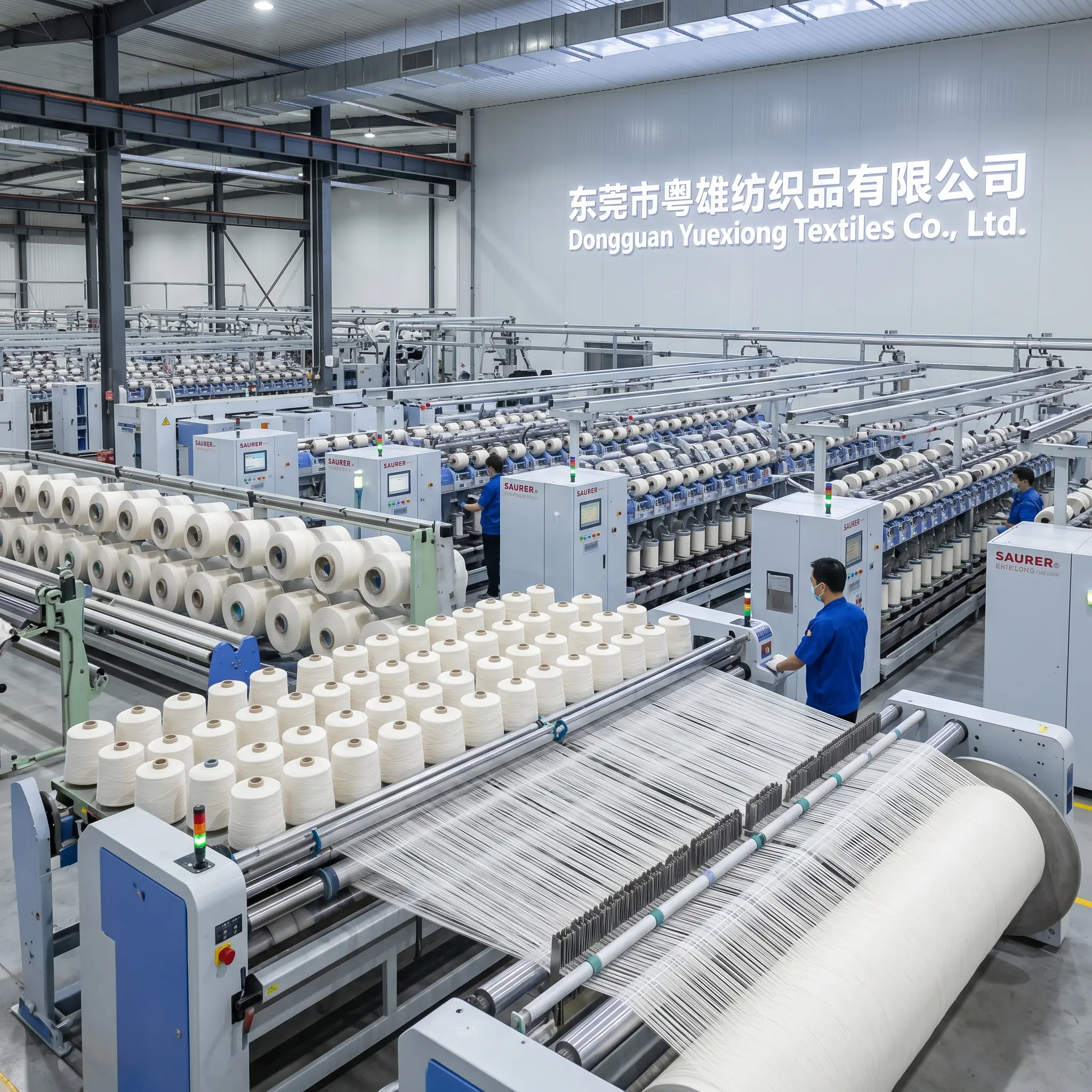
Repeat supply is planned from a specification record, not from a single approved swatch. Full product details are available in the company brochure.
Have Questions or Need More Details?
Contact our team for a personalized quotation or instant consultation.
Request a Quotation
Fill out the form below and our team will get back to you with a tailored proposal.
WhatsApp Direct Chat
Prefer to chat in real-time? Message us on WhatsApp for instant assistance & quick answers.
- Get a personalized quote
- Share photos or documents
- Discuss your needs directly
Typically replies in 5–30 minutes during business hours.