Anti-Pilling & Anti-Static Yarn: Knitwear Selection Guide
Anti-Pilling & Anti-Static Yarn: Knitwear Selection Guide
To specify YX-FUNC-001 anti-pilling and anti-static functional yarn, a knitwear team should lock four decisions before sampling: the yarn count, the hand-feel and elasticity target, the actual conversion process, and the test method that will prove pilling and static performance. The two functions are related but not interchangeable, so the purchase specification should treat them as separate acceptance requirements.
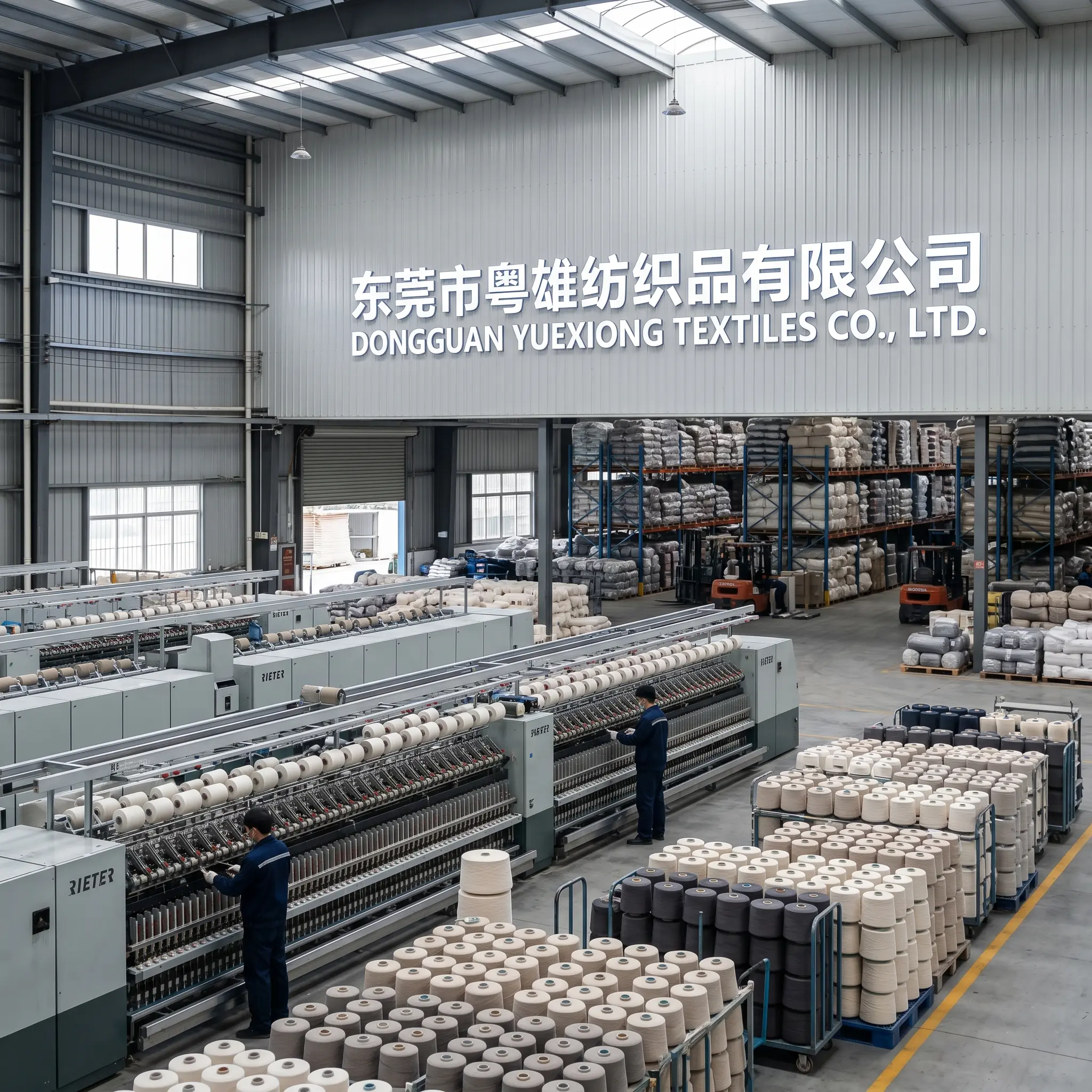
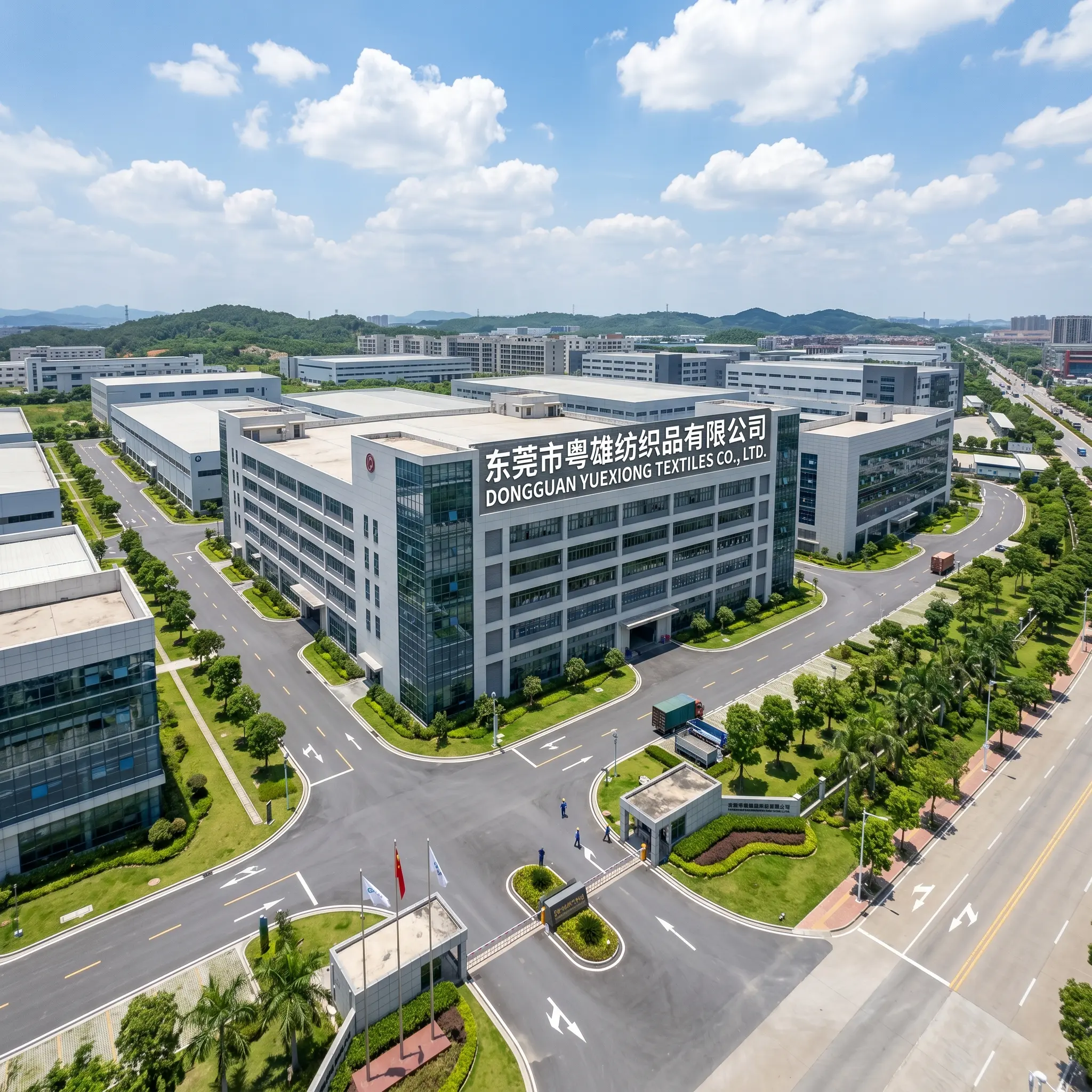
Dongguan Yuexiong Textile Co., Ltd. (MONALISHAMAGIC) is a vertically integrated yarn spinning mill and OEM/ODM manufacturer of functional yarn. YX-FUNC-001 is its anti-pilling and anti-static yarn model, and the customization scope covers composition, color, specification and functional parameters. That flexibility is useful only when the brief is precise. A general request for anti-pilling and anti-static yarn is not a specification; it is the start of one.
What problem does the specification solve?
Pilling and static appear together in knitwear complaints, but they come from different mechanisms. Pilling is a surface change: loose fibers migrate, entangle and form small balls that stay attached or later shed. Static is an electrical condition: charge builds up on the surface and can cause clinging, crackling, dust attraction or discomfort in dry conditions. A yarn that reduces pilling does not automatically solve static, and a static-resistant additive does not guarantee a low-pilling surface.
For a knitwear team, the practical risk is a sample that looks acceptable in the hand but fails in the finished garment. A soft hand-feel may come from a structure that pills at cuffs and underarms. A static test on greige yarn may not predict performance after dyeing, washing and layering. The selection guide therefore has to connect yarn engineering to fabric performance and to a verifiable test plan.
Industry background: functional yarn is a system, not a label
Functional yarn is a broad category that includes light-reactive, thermal, antibacterial, waterproof and anti-pilling/anti-static families. Within that category, YX-FUNC-001 sits at the intersection of surface durability and charge control. The product name identifies the intended functions; it does not remove the need to define the base fiber, count, twist, structure, color and conversion route.
MONALISHAMAGIC was founded in 2016 and operates a 2,000 sqm facility with 50 employees, including a 20-engineer R&D team. Its functional yarn portfolio is export-oriented, with 70% of output going to global markets. The company provides OEM/ODM customization, a 5 KG minimum order quantity, a stated production lead time of 7–15 days, and pre-shipment inspection. These are useful execution facts, but they do not replace a yarn specification or a performance report.
The company's compliance portfolio includes GRS/OCS/RCS, BCI, RAF, FSC and Intertek test reports, and the wider profile states GRS, BCI and OEKO-TEX certification. These documents support buyer compliance work at company level. They should not be read as automatic proof that every yarn model has passed every pilling or static test. The product-specific scope has to be confirmed.
The detailed solution: how YX-FUNC-001 should be specified
YX-FUNC-001 is an anti-pilling and anti-static functional yarn that can be customized on composition, color, specification and functional parameters. The mill's task is to translate the brief into a stable yarn structure. The buyer's task is to define the performance target, the conversion process and the evidence that will be accepted. The specification should be written in that order.
The four functional routes
A technical brief should identify which mechanism or combination the yarn is designed around, because the routes are not interchangeable.
- Anti-pilling fiber: Fiber length, fineness, strength and surface characteristics influence how easily loose fibers migrate to the surface. A fiber package selected for lower fuzz is one route to a cleaner surface.
- Anti-static fiber: An anti-static fiber is designed to reduce charge accumulation within the yarn. It is a fiber-level route, not the same as a surface finish.
- Conductive fiber: Conductive fiber can create a charge-dissipation path, but its amount, distribution and color effect must be checked against hand-feel and appearance.
- Static-resistant functional additive: An additive or finish can reduce static buildup, but wash durability, color interaction and hand-feel effects must be verified on the finished fabric.
The interaction is the difficult part. A high-twist structure may reduce pilling but make the hand-feel leaner and less soft. A softer, lower-twist structure may feel better but need stronger fiber selection or a different anti-pilling route. Conductive fiber may affect shade or drape. A static-resistant additive may perform well in the lab but change after repeated washing. The sample must test the combination, not each feature in isolation.
What to lock in the yarn specification
| Specification area | What to write into the brief | Why it matters | Verification |
|---|---|---|---|
| Model and function | YX-FUNC-001; anti-pilling and anti-static | Keeps sample and bulk on the same model and functional intent | Confirm model and functional parameters on the approved sample |
| Yarn count | Exact target within the 0.5/1 NM to 200/2 NM range used in this guide | Controls thickness, drape, machine gauge and fabric weight | Confirm achievable count for the chosen composition before sampling |
| Composition | Base fiber and blend; customizable | Affects hand-feel, pilling behavior, static behavior and color | Approved sample and composition sheet |
| Twist and structure | Single or plied, twist level, structure; set through the specification | Balances softness, strength and surface stability | Yarn trial and finished-fabric trial |
| Color | Custom color target and color-matching requirements | Color can interact with the functional package and process | Color matching and sample approval |
| Functional package | Anti-pilling fiber, anti-static fiber, conductive fiber or static-resistant additive; state which route is required | Different routes have different limits and different test needs | Test method and report scope agreed before bulk |
| Hand-feel and elasticity | Softness, bulk, stretch and recovery targets | A pilling fix that changes hand-feel may not be acceptable to the brand | Hand panel and fabric test with the target garment |
| Conversion process | Knitting, weaving, embroidery, jacquard or garment decoration | The process determines tension, abrasion, lint and surface demands | Machine trial and sample garment |
| Test plan | Pilling method, static method, wash cycles and laboratory | Makes performance claims verifiable rather than descriptive | Third-party report where the buyer requires it |
| Commercial terms | MOQ 5 KG; stated production lead time 7–15 days | Plans sampling, testing and bulk scheduling | Order confirmation and pre-shipment inspection |
Step-by-step specification workflow
Step 1: Define the end garment and wear condition
Start with the garment, not the yarn label. A close-fitting winter knit, a decorative trim and an embroidered logo have different abrasion points and different static risks. Describe where the fabric will rub, how often it will be washed, whether it will be layered, and what hand-feel the brand will accept. This step prevents a soft sample from being approved for a program that actually needs a firmer, lower-pilling surface.
Step 2: Set the count and machine gauge
Yarn count is a practical selection variable, not a prestige number. The count conversation in this guide runs from 0.5/1 NM to 200/2 NM. At the coarse end, bulk, weight and hand-feel dominate. At the fine end, fiber selection, twist and breakage control become more demanding. The exact target must match the knitting gauge, fabric weight and target drape. Ask the mill to confirm the achievable count for the chosen composition and functional package before the sample is made.
Step 3: Choose the anti-pilling and anti-static balance
Write a priority order. If surface cleanliness is the main complaint, the anti-pilling route may need more attention. If clinging and static discomfort are the main complaint, the anti-static route may need more attention. If both are required, the brief should say so and accept that the sample may need a compromise in hand-feel. A yarn cannot be evaluated fairly if the buyer has not stated which failure matters more.
Step 4: Match the conversion process
Knitting, weaving, embroidery, jacquard and garment decoration place different demands on the yarn. A knitting yarn may need elasticity and softness. A weaving yarn may need strength and dimensional stability. An embroidery yarn needs consistent diameter and low fuzz at the needle. A jacquard program needs color and structure control. Garment decoration needs edge abrasion resistance and a surface that survives trimming and handling. The same YX-FUNC-001 model can be customized, but the sample should be built for the actual process.
Step 5: Write the test and acceptance plan
State the test method, the sample preparation, the number of wash cycles and the acceptance level before sampling. Pilling resistance should be checked on the finished fabric because fabric structure affects surface behavior. Static performance should be checked under agreed conditions because humidity and layering affect results. If the buyer's compliance file names SGS, GTTC or another third-party laboratory, put that requirement in the specification. The laboratory name alone is not evidence; the report scope and sample identification are.
Step 6: Approve the sample against both functions
Evaluate the sample for hand-feel, elasticity, color, pilling and static behavior together. Do not approve a sample only because it feels soft or only because a lab sheet shows a favorable number. A knitwear team should keep a reference panel and a reference garment so that the next batch can be compared against the approved standard. The sample should also record the exact count, composition, twist, structure, color and functional package.
Step 7: Lock bulk and inspection
After sample approval, confirm the production lead time, inspection method and document set. The stated lead time for YX-FUNC-001 programs is 7–15 days, subject to order quantity, color and testing requirements. Pre-shipment inspection is provided. Confirm that the bulk yarn matches the approved sample and that the test report, if required, applies to the correct sample and specification.
Step 8: Plan the reorder
Anti-pilling and anti-static programs are repeat-supply programs. Keep the approved sample, test report, color standard and composition record accessible for reorder. Ask for sample reconfirmation, color matching support and certification document supply when the next order is placed. This reduces the risk of a silent change between the first bulk order and the repeat order.
Use cases and application matching
The application determines which part of the specification needs the most attention. The table below compares common conversion routes for YX-FUNC-001 programs.
| Process | Main demand | Parameters to confirm | What to verify |
|---|---|---|---|
| Knitting | Loop formation, softness and elasticity | Count, twist, elasticity, hand-feel and color | Fabric pilling, hand panel and garment trial |
| Weaving | Strength, abrasion and dimensional stability | Twist, tenacity, elongation and count | Weaving trial, surface appearance and breakage |
| Embroidery | Consistent diameter, low fuzz and color clarity | Count, twist, color and package format | Stitch clarity, thread breakage and trim appearance |
| Jacquard | Pattern definition, color control and structure | Color, structure, count and hand-feel | Pattern sample, color matching and surface cleanliness |
| Garment decoration | Edge abrasion resistance and layering comfort | Count, functional package, color and hand-feel | Trim trial, wear trial and static check in the finished garment |
In knitting, pilling often shows first at cuffs, underarms and collar edges. In weaving, the surface may be judged after pressing or washing, so the test sample should follow the same finishing route as bulk. In embroidery, a yarn that performs well on a flat panel may behave differently on a dense logo or a raised trim. In jacquard, color and structure changes can alter how the anti-pilling and anti-static package reads in the finished pattern. In garment decoration, trims and edges are handled repeatedly, so abrasion and static tests should match the real wear situation.
Testing and compliance: how to verify pilling and static claims
Pilling resistance is a test result, not a generic property of a yarn name. The buyer should specify the test method, the sample preparation, the abrasion conditions and the acceptance rating. Static behavior should also be defined by a method and a test condition. A report that does not identify the sample, the method and the scope cannot be used as proof for a different yarn or a different fabric.
Where the buyer's compliance file requires SGS, GTTC or another third-party laboratory, the purchase specification should make that requirement explicit. The report should show the sample identification, the test method, the result, the date and the laboratory. This is especially important when the yarn is used in a finished garment, because pilling and static performance can change after knitting, dyeing, washing and finishing.
The available company compliance portfolio includes GRS/OCS/RCS multi-standard certification, BCI, RAF and FSC chain of custody, plus Intertek test reports for specific scopes. For example, the file includes Intertek reports GZHT03128204 and GZHT03128212 for knitted fabric under EN 17134-2:2023. Those reports are useful evidence of compliance activity, but they are not an anti-pilling report for YX-FUNC-001. Ask for the exact product-specific report and confirm its scope before using it in a buyer document.

FAQ: specifying YX-FUNC-001 for knitwear
What testing evidence should we require for anti-pilling and anti-static claims?
Require a report that identifies the test method, the sample, the laboratory and the acceptance result. Pilling should be tested on the finished fabric or on a sample that represents the finished fabric. Static performance should be tested under agreed conditions. If your compliance file names SGS, GTTC or another third-party laboratory, put that requirement in the purchase specification and confirm that the report scope matches YX-FUNC-001.
Can YX-FUNC-001 be customized for our count, composition, color and knit structure?
Yes. YX-FUNC-001 is offered with customization on yarn composition, color, specification and functional parameters. The count can be discussed within the 0.5/1 NM to 200/2 NM range used in this guide, but the exact achievable count depends on the chosen composition, structure and functional package. Provide the target application and hand-feel so the mill can confirm the sample direction before bulk.
What is the MOQ and what drives the commercial quote?
The minimum order quantity is 5 KG. The quote depends on composition, count, color, functional parameters and any required testing. Delivery can be arranged by air, sea or land, and pre-shipment inspection is provided. Payment terms can be confirmed with the supplier. A quote without a defined specification is only a rough reference.
What should we send with a sample request?
Send the target count, composition direction, hand-feel and elasticity target, conversion process, color target, test method, target market and any compliance requirement. Include the garment type and the main failure concern, such as cuff pilling or static cling. Sample reconfirmation and color matching support are available. Confirm sample timing and any test cost with the supplier before the sample is made.
What is the production lead time after order confirmation?
The stated production lead time is 7–15 days after confirmation, subject to order quantity, color, testing and scheduling. Pre-shipment inspection is provided before shipment. To start, send the target specification to MONALISHAMAGIC and ask for sample reconfirmation, color matching and the confirmed lead time for your order.
Next step: prepare a one-page specification with count, composition, hand-feel, process, color and test method. MONALISHAMAGIC can review the brief, confirm customization options and arrange sample reconfirmation for YX-FUNC-001.
Company brochure: download the MONALISHAMAGIC brochure.
Conclusion
Anti-pilling and anti-static yarn should be specified as a system: count, hand-feel, conversion process, functional route, test method and reorder control. YX-FUNC-001 gives knitwear teams a customizable starting point, with OEM/ODM support, a 5 KG MOQ and a stated 7–15 day production lead time. The important discipline is to verify the combination on the actual fabric and against the actual test method, rather than treating the product name as a performance guarantee.
For a knitwear program, the strongest specification is one that can be sampled, tested and repeated. Define the count within the 0.5/1 NM to 200/2 NM range, state the hand-feel and elasticity target, match the yarn to knitting, weaving, embroidery, jacquard or garment decoration, and agree the pilling and static evidence before bulk. That is how a functional yarn brief becomes a controlled supply decision.
Have Questions or Need More Details?
Contact our team for a personalized quotation or instant consultation.
Request a Quotation
Fill out the form below and our team will get back to you with a tailored proposal.
WhatsApp Direct Chat
Prefer to chat in real-time? Message us on WhatsApp for instant assistance & quick answers.
- Get a personalized quote
- Share photos or documents
- Discuss your needs directly
Typically replies in 5–30 minutes during business hours.