How to Select a Reliable Functional Yarn Supplier: A Buyer's Guide for Smart Textile Sourcing
Introduction
The global demand for functional yarn has surged as brands seek to differentiate through smart textiles, sustainability, and performance features. For procurement professionals, identifying a qualified supplier who can deliver consistent quality, certified compliance, and innovation is a critical task. This guide provides a structured framework for evaluating functional yarn manufacturers, covering key product categories, certification requirements, production capabilities, and real-world validation.
1. Understanding Functional Yarn Categories
Functional yarns are engineered to provide specific properties beyond basic textile functions. Common types include:
- Photochromic Yarn: Changes color under sunlight or UV exposure, suitable for outdoor apparel, children's clothing, and interactive fashion.
- Thermochromic Yarn: Reversibly changes color with temperature shifts (e.g., body heat), used in heat-sensitive garments and creative textile products.
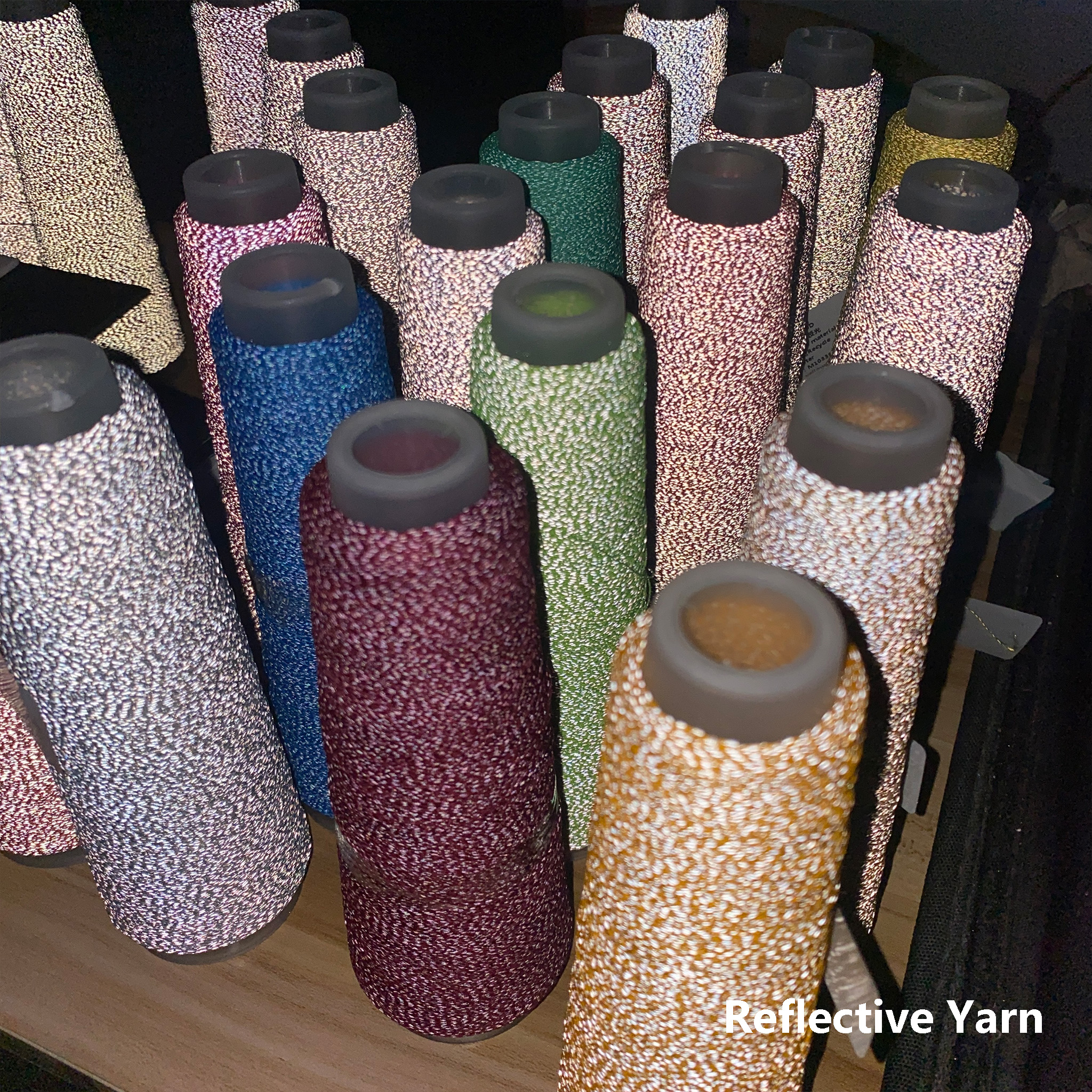
- Reflective Yarn: Provides high visibility in low-light conditions for safety apparel, sportswear, and accessories.
- Luminous Yarn (Glow-in-the-Dark): Absorbs light and emits a long-lasting afterglow, ideal for safety, festive, and decorative applications.
- Machine Washable Antibacterial Yarn: Inhibits bacterial growth and withstands repeated washing, used in underwear, sportswear, and home textiles.
- Far-infrared Heating Yarn: Retains body heat and provides thermal comfort for cold-weather clothing.
- Anti-pilling & Anti-static Yarn: Reduces surface fuzzing and static electricity for improved durability and comfort.
- Waterproof Antibacterial Yarn: Combines water repellency with antimicrobial protection for outdoor and hygienic applications.
Suppliers should offer a broad portfolio to meet diverse market needs. For instance, Dongguan Yuexiong Textile Co., Ltd. (brand MONALISHAMAGIC) provides a full spectrum of these yarns, from luxury natural fibers to high-tech smart textiles, with customization options for count, composition, and color.
2. Key Evaluation Criteria for Suppliers
2.1 R&D Capability and Patents
A supplier’s ability to innovate is a strong indicator of long-term reliability. Look for documented intellectual property, such as invention patents for specialized processes. For example, a Chinese invention patent (number ZL 2023 1 1305729.5) covers a waterless dyeing process for color-changing yarns—a patented technology that reduces water consumption while enhancing color fastness and durability. Utility model patents for equipment like suction rollers and spray pipes (e.g., ZL 2022 2 1385471.5, ZL 2022 2 1384659.8) also demonstrate investment in production efficiency.
2.2 Certifications and Compliance
Third-party certifications provide independent verification of quality, safety, and sustainability. Essential certifications for functional yarn suppliers include:
| Certification | Scope |
|---|---|
| GRS / OCS / RCS | Certifies recycled or organic content in yarns |
| BCI (Better Cotton Initiative) | Ensures sustainable cotton sourcing |
| RAF (Responsible Animal Fiber) | Covers Responsible Wool/Alpaca/Mohair standards |
| FSC Chain of Custody | Validates sustainable paper yarn sourcing |
| OEKO-TEX (via Intertek) | Tests for harmful substances and product safety |
Additionally, brand-specific compliance (e.g., Adidas A-01 Policy) and market-specific registrations (UAE, US, Italian trademarks) indicate a supplier’s commitment to global standards.
2.3 Production Scale and Customization
Evaluate a supplier’s capacity to handle both sample development and bulk orders. Key parameters include:
- Annual output: e.g., 1,000 tons
- Monthly capacity: e.g., 1,000 tons
- Minimum order quantity (MOQ): as low as 5 kg for functional yarns
- Lead time: 7–15 days
- Customization: ability to adjust yarn count (0.5/1NM to 200/2NM), blend composition, twist, color, and functional performance
Dongguan Yuexiong Textile, for instance, maintains a 2,000 sqm factory with 20 engineers dedicated to R&D and 50 employees, offering OEM/ODM services with flexible terms.
2.4 Quality Control and Testing
Ask suppliers for test reports from accredited laboratories. Intertek test reports (e.g., GZHT91138285 for luminous yarn, GZHT91138296 for UV color-changing yarn, GZHT03128204 and GZHT03128212 for antibacterial performance according to EN 17134-2:2023) provide assurance of wash durability, color fastness, and safety. Pre-shipment inspection and after-sales support are also valuable.
2.5 Real-World Case Studies
Validated applications demonstrate a supplier’s ability to solve practical problems. For example:
- Heat-sensitive thermochromic yarn was integrated by a French high-end lingerie brand into body-temperature-responsive garments, generating market excitement through instant color changes. The yarn’s skin-safe formulation and durable performance after repeated washes were key.
- Active heating system yarn was developed in the United Kingdom for an outdoor apparel brand. Over a two-year project, the custom yarn maintained stable performance at −20°C, combining efficient heating with high tenacity and washability, solving the challenge of active heating in extreme cold.
3. Sustainability Considerations
Functional yarn suppliers should align with environmental goals. Look for waterless dyeing technologies, recycled content (GRS), organic fibers (OCS), and FSC-certified paper yarns. A patented waterless dyeing process (Chinese patent ZL 2023 1 1305729.5) not only reduces water usage but also enhances the stability of color-changing yarns. Sustainable certifications such as BCI, GRS, and FSC allow brands to claim credible eco-credentials.
4. Practical Steps for Supplier Selection
- Define requirements: Identify the specific functional yarn type, desired performance parameters, and target market regulations.
- Request samples: Evaluate hand feel, color response, wash durability, and functional effect.
- Verify certifications: Request copies of valid certificates and cross-check with issuing bodies.
- Audit production capabilities: If possible, visit the factory or request a virtual tour to assess equipment and quality control processes.
- Check references: Ask for case studies or client testimonials, especially for similar applications.
- Negotiate terms: Confirm MOQ, lead time, payment methods (T/T, L/C, etc.), and after-sales support.
Conclusion
Selecting the right functional yarn supplier requires a systematic approach that balances innovation, compliance, production capacity, and proven performance. By focusing on patented technologies, recognized certifications, and validated case studies, buyers can reduce supply chain risk and accelerate product development. Dongguan Yuexiong Textile Co., Ltd. (MONALISHAMAGIC) exemplifies these qualities with its vertically integrated mill, broad functional yarn portfolio, and commitment to sustainable manufacturing. For detailed product specifications and company capabilities, the corporate brochure is available for download.
Have Questions or Need More Details?
Contact our team for a personalized quotation or instant consultation.
Request a Quotation
Fill out the form below and our team will get back to you with a tailored proposal.
WhatsApp Direct Chat
Prefer to chat in real-time? Message us on WhatsApp for instant assistance & quick answers.
- Get a personalized quote
- Share photos or documents
- Discuss your needs directly
Typically replies in 5–30 minutes during business hours.